

Вакуумное литье
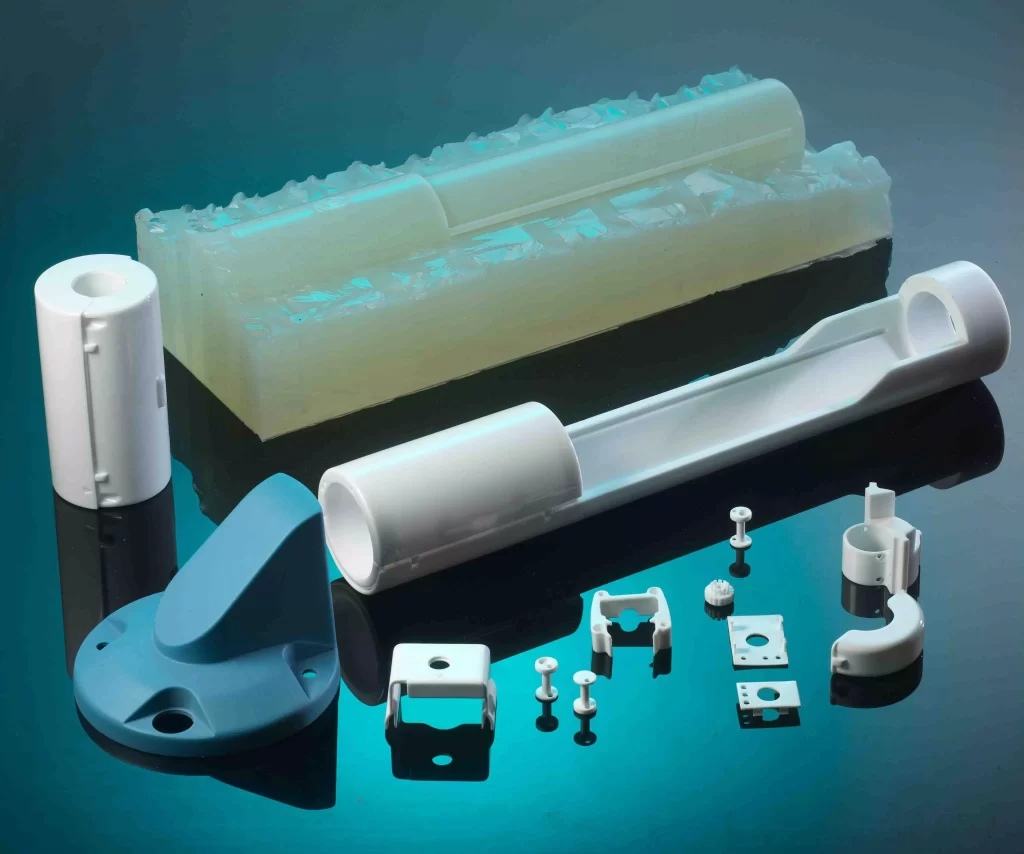
Вакуумное литье — это метод, используемый для создания прототипов, который предполагает использование силиконовых форм для быстрого изготовления деталей из полиуретана при мелкосерийном производстве функциональных компонентов.
Этот процесс служит связующим звеном при переходе от прототипирования к полномасштабному производству, обеспечивая доставку по всему миру в течение десяти дней или меньше.
Вакуумное и полиуретановое литье от Fuming
Вакуумное литье, также известное как полиуретановое литье, предлагает эффективный метод производства жестких или гибких компонентов. Этот метод идеально подходит для создания высокодетализированных прототипов, функционального тестирования, проверки концепций и демонстрационных целей. В зависимости от требований, детали, изготовленные методом литья из полиуретана, могут производиться в количествах от нескольких штук до нескольких сотен единиц. Свойства и общее качество деталей, полученных вакуумным литьем, сопоставимы с деталями, произведенными методом литья под давлением.
Компания Fuming полностью готова удовлетворить ваши потребности в вакуумном литье и изготовлении силиконовых форм. Благодаря обширному опыту в этой области, мы производим ваши пластиковые компоненты в соответствии с высочайшими стандартами, обеспечивая как экономическую эффективность, так и быстрые сроки выполнения заказов.
Ищете надежные услуги вакуумного литья? Свяжитесь с Fuming сегодня, чтобы получить бесплатное коммерческое предложение на ваши нужды по вакуумному литью в течение 24 часов
Быстрый расчет стоимости вакуумного литья
Просто загрузите файл с вашим 3D-чертежом, чтобы получить быстрый расчет. Нет необходимости запрашивать несколько предложений для разного количества одинаковых компонентов. Мы предоставляем вам подробные варианты ценообразования на разных уровнях, позволяя вам сравнить и выбрать наиболее подходящий заказ, исходя из вашего бюджета.
Fuming является лидером в области услуг по литью полиуретана, предоставляя экономически эффективные международные решения, адаптированные под ваши временные и финансовые требования.
Преимущества наших услуг вакуумного литья
- Наш процесс создания прототипов методом вакуумного литья отличается низкой себестоимостью производства и короткими сроками выполнения заказов.
- Это крайне экономически выгодно для мелкосерийного производства. После создания мастер-модели и силиконовой формы дополнительные детали можно легко дублировать с оригинального образца.
- Процесс извлечения из формы гибок. После полного высыхания и отверждения форма остается мягкой и эластичной, что позволяет легко разрезать ее и извлекать детали без повреждений.
- Доступен широкий выбор материалов и цветов для удовлетворения ваших конкретных требований.
- Детали отличаются высоким качеством и минимальным процентом брака. Пока мастер-модель безупречна, полученные методом вакуумного литья детали будут точными, а большинство потенциальных проблем исключается на начальном этапе.
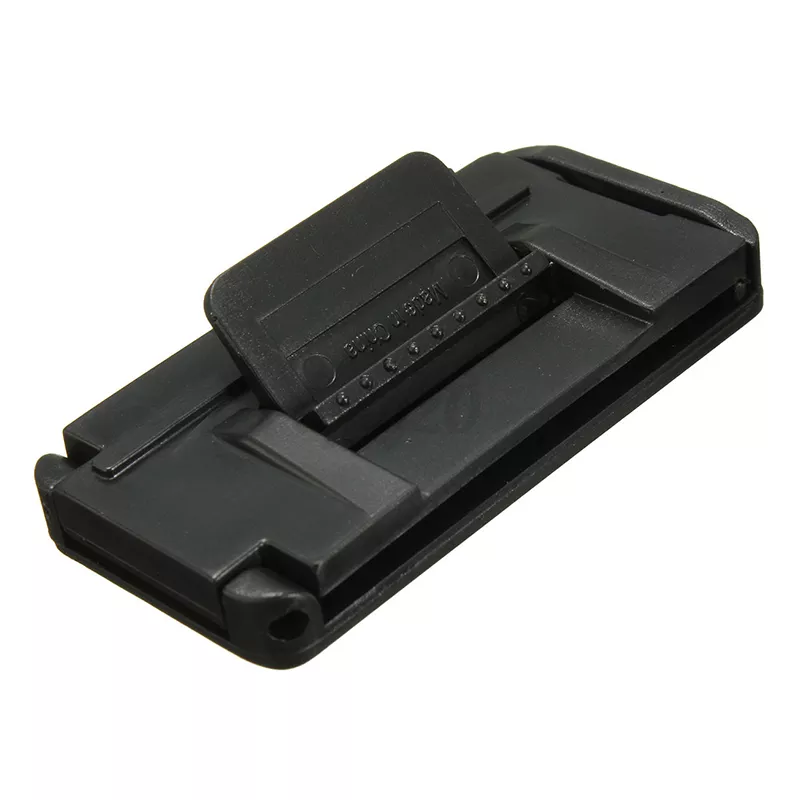
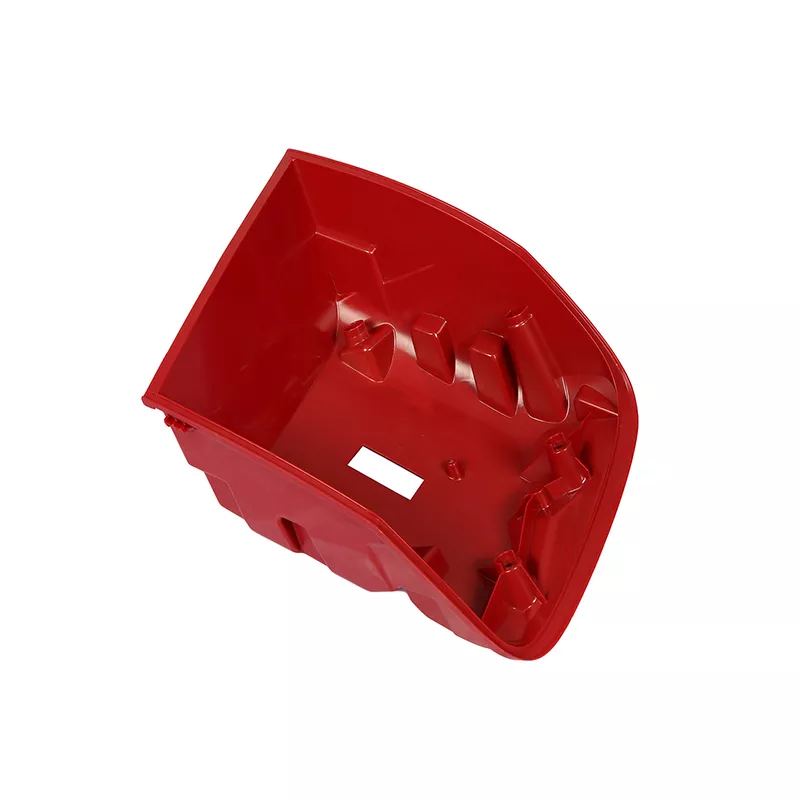
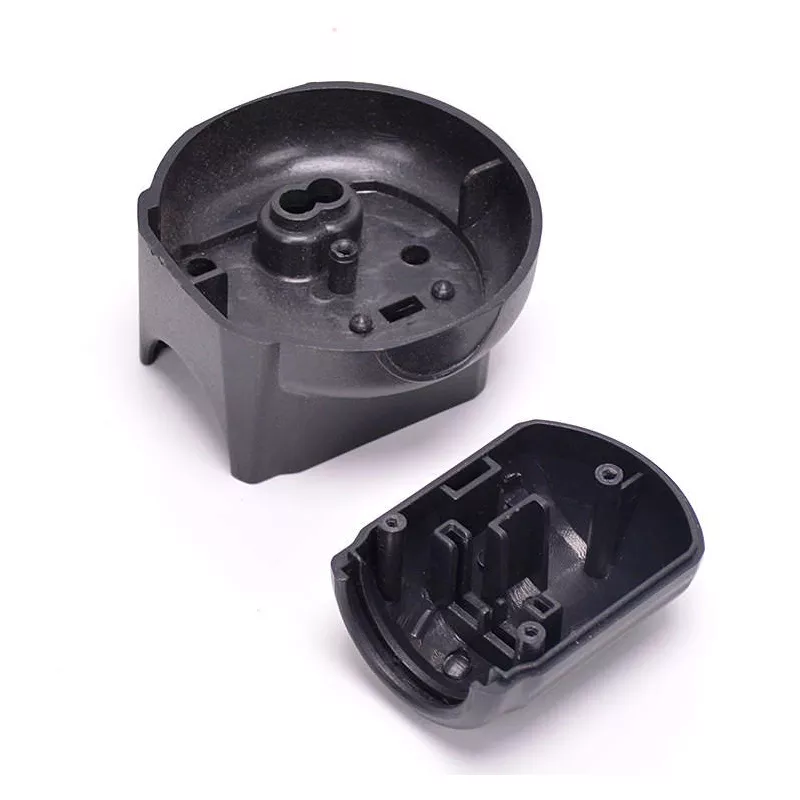
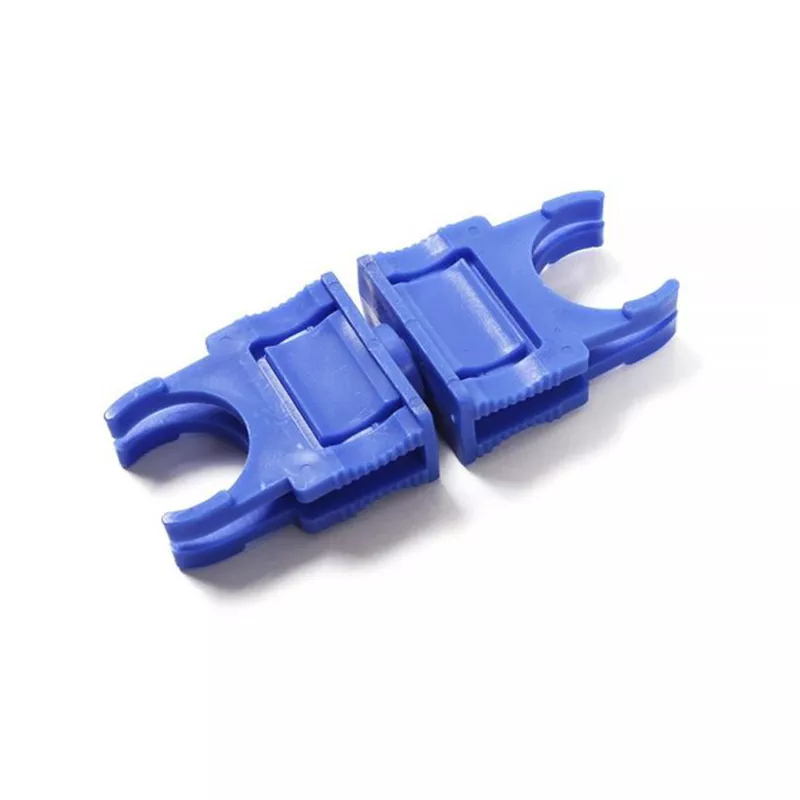
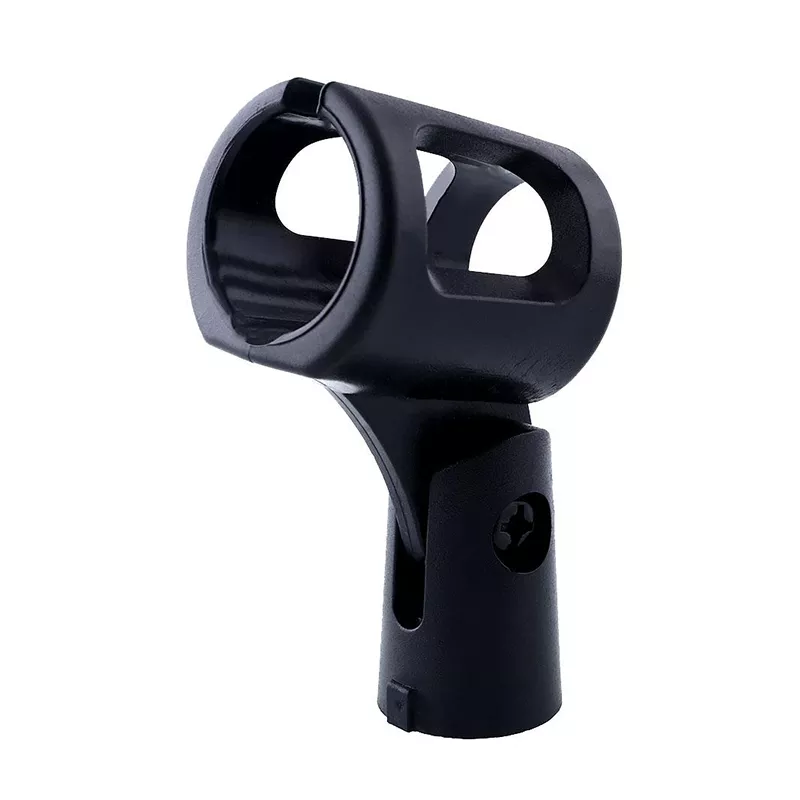
Галерея деталей, изготовленных методом вакуумного литья
С момента основания мы помогали таким отраслям, как аэрокосмическая, автомобильная, производство медицинского оборудования и другим, в разработке широкого спектра компонентов из эластомеров методом вакуумного литья.
Материалы для вакуумного литья
Полиуретановые смолы — это полимеры, предлагающие широкий спектр свойств и областей применения. Fuming предоставляет разнообразный выбор полиуретановых материалов, адаптированных под ваши нужды, включая Hei-Cast (Япония) и Axson (Франция).
Определенные марки материалов обладают характеристиками, схожими с конструкционными пластиками, используемыми в производстве, такими как ABS, PMMA, PC, PP и PA.
Литые детали могут быть изготовлены в различных вариантах: от прозрачных и полупрозрачных до цветных покрытий, а также от мягких, похожих на резину текстур до жестких пластиков.
В наличии имеются ударопрочные марки, термостойкие варианты (до 120°C), огнестойкие составы (UL94-V0), смолы, наполненные стеклом, и силиконы с различным уровнем твердости.
Technical specifications
| Параметр | Значение |
|---|---|
| Максимальные размеры сборки | Размер формы ограничен габаритами вакуумной камеры (до 1900 x 900 x 750 мм), а максимальный объем изделия ограничен 10 литрами. |
| Стандартная точность | ±0,3% (с минимальным пределом ±0,3 мм для размеров менее 100 мм). |
| Минимальная толщина стенки | Не менее 0,75 мм для обеспечения надлежащего заполнения формы; для достижения наилучших результатов рекомендуется толщина стенки не менее 1,5 мм. |
| Структура поверхности | Высококачественная отделка поверхности, сопоставимая с литьем под давлением. |
Материалы
Когда вы сотрудничаете с Fuming в рамках проектов по вакуумному литью, вы можете выбрать из широкого спектра материалов.
Материал
Полиуретаны, подобные резине
Полиуретаны, подобные резине
Описание
Наши полиуретаны, подобные резине, доступные с различными свойствами материала, могут использоваться с силиконовыми формами для создания высококачественных прототипов или мелкосерийных партий готовых к использованию компонентов.
Наши полиуретаны, подобные резине, доступные с различными свойствами материала, могут использоваться с силиконовыми формами для создания высококачественных прототипов или мелкосерийных партий готовых к использованию компонентов.
Ключевые характеристики
- Превосходная отделка поверхности и высокая детализация, сопоставимые с ТЭП, ТПУ и силиконовой резиной.
- Идеально подходят для применений, требующих эффективного поглощения ударов (амортизации).
- Экономичное решение для производства прототипов или небольших партий функциональных деталей.
- Максимальные размеры детали: 1900 x 900 x 750 мм (при максимальном объеме детали 10 литров).
Описание
Наши полиуретаны, подобные АБС-пластику, обладают разнообразными свойствами материала и могут использоваться с силиконовыми формами для создания высококачественных прототипов или мелкосерийных партий готовых к использованию компонентов.
Ключевые характеристики
- Превосходное качество поверхности и детализация, обеспечивающие внешний вид и тактильные ощущения, характерные для деталей, изготовленных литьем под давлением.
- Доступны варианты материалов с огнестойкостью, безопасностью для контакта с пищевыми продуктами и устойчивостью к УФ-излучению.
- Экономически эффективный метод производства прототипов или ограниченных серий функциональных деталей.
- Максимальные размеры детали: 1900 x 900 x 750 мм (при максимальном объеме детали 10 литров).
Описание
Наши полиуретаны, подобные полиэтилену (ПЭ) и полипропилену (ПП), обладают разнообразными свойствами материала и могут использоваться с силиконовыми формами для создания высококачественных прототипов или мелкосерийных партий готовых к использованию компонентов.
Ключевые характеристики
- Высококачественная отделка поверхности и детализация, обеспечивающие внешний вид и тактильные ощущения, характерные для деталей, изготовленных литьем под давлением.
- Прочность в сочетании с легкостью, доступны в широком выборе вариантов отделки.
- Экономичное решение для производства прототипов или ограниченных серий функциональных деталей.
- Максимальные размеры детали: 1900 x 900 x 750 мм (при максимальном объеме детали 10 литров).
Области применения вакуумного литья
Вакуумное литье — это эффективный метод производства малых серий функциональных прототипов и пластиковых деталей, который помогает найти идеальный баланс между высоким качеством готовых компонентов и сроками производства.
Малообъемное производство / Короткие производственные серии
Полиуретановое литье идеально подходит для создания высококачественных пластиковых прототипов. Когда объемы производства не оправдывают инвестиций в литье под давлением, или когда детали нужны за несколько недель до готовности производственной оснастки, этот процесс предлагает эффективное решение. Наши передовые услуги по прототипированию и производству позволяют вам создавать индивидуальные сложные детали малыми сериями быстрее, чем традиционные методы изготовления оснастки и литья.
Инженерная проверка / Функциональное тестирование
Процесс вакуумного литья, наряду с его относительно недорогой оснасткой, делает инженерную проверку и внесение изменений в конструкцию простыми и экономичными. Эти литые детали также могут использоваться для функционального тестирования перед полномасштабным производством, что позволяет сообщать о проблемах и даже поддерживать процессы сертификации.
Эстетические модели / Исследования цвета и текстуры
Детали, изготовленные методом полиуретанового литья, могут быть созданы как полноценные эстетические модели, включающие различные цвета, текстуры и отделку поверхности на основе одной и той же концепции дизайна. Если вы не уверены в наиболее подходящем цвете для конечного продукта, можно создать силиконовую форму для получения 10–15 отливок. Затем каждой детали можно придать выбранные вами цвета и текстуры, что облегчит внутреннее обсуждение на совещаниях команды дизайнеров или даже на обзорах руководства.
Готовность к маркетингу / Демонстрационные модели
Благодаря функциональности, ориентированной на конечного пользователя, и высококачественной отделке поверхности, детали из полиуретана хорошо подходят для потребительского тестирования и оценки пользователями. Гибкость процесса полиуретанового литья позволяет быстро вносить изменения, будь то для дальнейшего тестирования или подготовки к выходу на рынок. На торговых выставках или экспозициях вы можете демонстрировать несколько моделей заинтересованным клиентам. Детали, отлитые из полиуретана, также незаменимы для фотосъемки, используемой в брошюрах компании или на официальных веб-сайтах для привлечения потенциальных клиентов.
Наши услуги вакуумного литья для различных отраслей промышленности
Благодаря быстрому производству, экономической эффективности и высокому качеству прочных компонентов, наши услуги вакуумного литья остаются предпочтительным выбором для производства индивидуальных деталей в автомобильной, медицинской, потребительской и других отраслях.