
Liquid Silicone Rubber Injection Molding

Fuming brings over 20 years of experience in delivering cost-effective solutions for precision liquid silicone rubber (LSR) components and assemblies.

Liquid Silicone Rubber Molding

Fuming brings extensive experience to liquid silicone rubber injection molding as a professional liquid injection molding company. Our manufacturing capabilities enable us to provide services ranging from rapid prototyping to high-volume production of precision components.

We have chosen to manufacture LSR exclusively through the injection molding process. Liquid silicone rubber offers exceptional durability, with high tear and tensile strength, excellent flexibility, insulating properties (including electrical conductivity options), biocompatibility, and a hardness range of 5 to 80 Shore A. Molded silicone rubber remains stable across temperatures from -75°F to 400°F. LSR is also resistant to water, oxidation, certain chemicals, and bacterial growth, and it will not corrode or contaminate other materials.

Liquid silicone Rubber Injection Molding

Liquid Silicone Rubber Injection Molding – Online Quote

A faster, more convenient way to order high-quality injection molded parts, helping you accelerate iteration, testing, and production at scale. Upload your design to our online quoting platform to receive DFM feedback and pricing, and get an instant injection molding quote within 24 hours. Our platform also allows you to manage your orders with ease—from quotation through to product delivery, you remain in full control.

Concept-to-Market Silicone Manufacturing

Fuming offers full-service LSR manufacturing capabilities, encompassing product development, prototyping with production-representative tooling, advanced LSR mold-making, cleanroom silicone injection molding, multi-shot and multi-material molding, and secondary operations—all for true single-source production.

Liquid Silicone Rubber Injection Molding

Fuming can help you leverage the design flexibility of LSR, while our advanced silicone molding technologies help reduce program costs and enhance component quality.

Diversity in applications

LSR is used in many mission-critical applications where failure is not an option. Fuming specializes in molding tight-tolerance silicone components with exceptional shot-to-shot repeatability and a commitment to zero-defect manufacturing.

Design flexibility

Silicone offers the ability to fill part geometries with tighter tolerances than those achievable with thermoplastic elastomers. Precise features, varying wall thicknesses, reduced sink marks, small undercuts, and negative draft angles are all possible with LSR.

Biocompatibility and performance properties

LSR is an ideal material for both short- and long-term human implants due to its resistance to bacteria, ease of sterilization, and its odorless, tasteless, and stain-resistant properties.

Automatic silicone molding

The most effective way to minimize contamination is through automatic molding. This approach ensures consistent cycle times—essential for liquid silicone molding—while eliminating the need for machine operators, reducing part variability, and lowering program costs, all while enhancing overall quality.

Multi-material molding

Our expertise in molding multi-material components, including two-shot, insert, and overmolded parts, can help expand your product’s performance possibilities. Take advantage of Fuming’s global injection molding services.

Sustainable product life

Silicone remains unaffected by environmental factors and maintains its appearance throughout a device’s lifespan. It does not lose transparency with age or exposure to UV light, moisture, or heat, and it is resistant to scratches, cracks, and breaks.

Liquid Silicone Rubber Molding Capabilities

Fuming provides preliminary design guidelines to help you understand our manufacturing capabilities. These guidelines will also assist you in developing custom designs with enhanced characteristics, improved appearance, and reduced production time. Details are available upon request.

CapabilitiesUSMetric
Size12 in. x 8 in. 4 in.304.88mm x 203.2mm x 101.6mm
Volume13.3 cu. in.217,948 cu. mm
DepthMaximum 2 in. from parting lines.Maximum 50.88 mm from parting lines.
Projected Mold Area48 sq. in.30968 sq. mm
Machining Tolerance+- 0.003 in.+- 0.08 mm
Linear Tolerance+- 0.025 in./in.+- 0.025 mm/mm

How Does Liquid Silicone Rubber Molding Work?

Because of the inherent flexibility of LSR, parts are typically removed from the mold by hand, so ejector pins are generally not incorporated into the tool design. Similar to a standard aluminum tool, an LSR mold is manufactured using CNC machining to produce a high-temperature tool capable of withstanding the demands of the LSR molding process. After machining, the tool is hand-polished to meet customer specifications, offering six standard surface finish options.

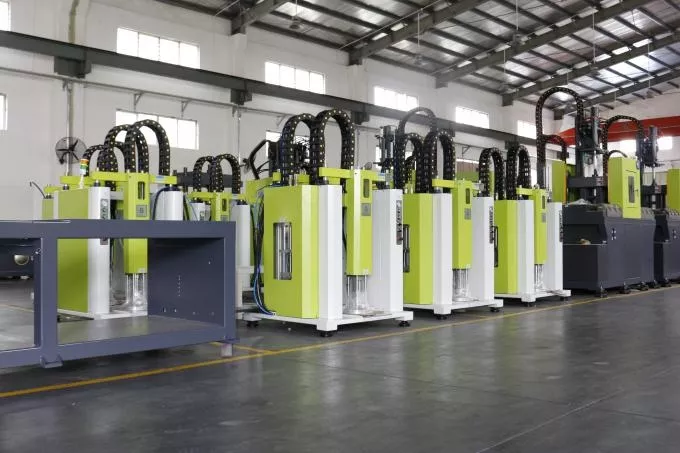
The finished tool is then placed into an advanced injection molding press specifically designed for LSR, precisely calibrated to control shot size accurately and ensure the production of highly consistent parts. Since LSR is a thermosetting polymer, its molded state is permanent—once cured, it cannot be remelted like a thermoplastic material. Upon completion of the production run, the parts or initial sample batch are packaged and shipped promptly.

Liquid Silicone Rubber Injection Molding rapid mfg 002.jpeg

Why Use Injection Molding?

Silicone injection molding delivers clean, consistent results with tight tolerances that can be challenging to achieve through alternative methods such as compression or transfer molding.

A key advantage of liquid silicone rubber over traditional gum-based silicone materials is its significantly shorter cycle time. Depending on the curing stimulus and the cross-sectional thickness of the part, cycle times for liquid silicone components typically range from 30 seconds to three minutes, with our standard curing time averaging between 25 and 50 seconds.

In comparison, gum-based silicones may require three to five minutes of total cycle time in a conventional mold. As a result, a single- or two-cavity injection mold can outperform a multi-cavity tool used for gum silicone. With fewer cavities needed to maintain production volumes, tooling costs and lead times are reduced, ultimately lowering overall component costs.

Alternatives

There are alternative methods and materials available for producing silicone-like parts without relying on liquid silicone injection molding.

From a process standpoint, the closest alternative is injection molding using thermoplastic elastomers (TPE) or thermoplastic vulcanizates (TPV). These materials are flexible, impact-resistant plastics that are melted, injected, and solidified similarly to other thermoplastics. One advantage is that they do not require the metering and mixing steps needed for LSR. However, despite their elastomeric properties, TPE and TPV are subject to typical thermoplastic limitations, such as degradation from sunlight exposure, and may not be suitable for certain medical applications.

Beyond traditional injection molding, TPE is also one of several materials available as flexible 3D printing filaments, enabling additive manufacturing of rubber-like components. TPU is another common material used for this purpose.

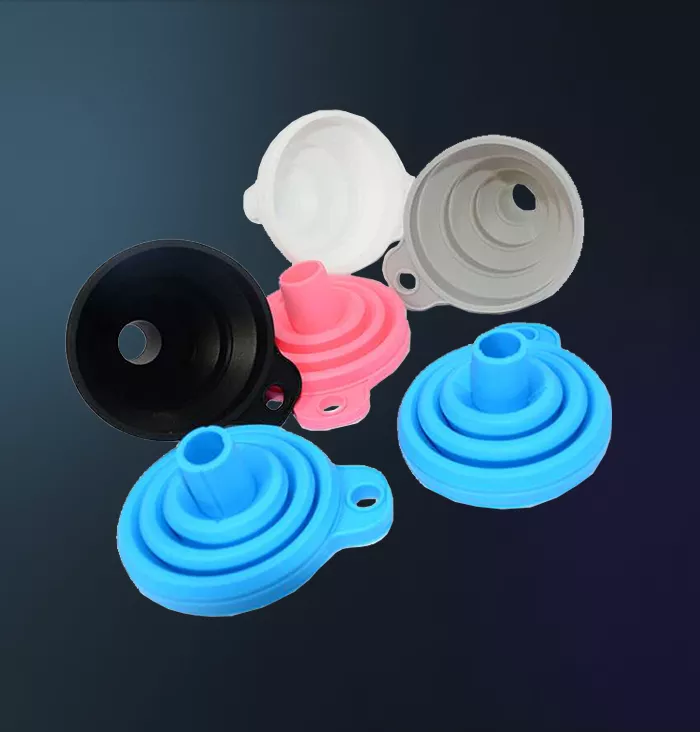
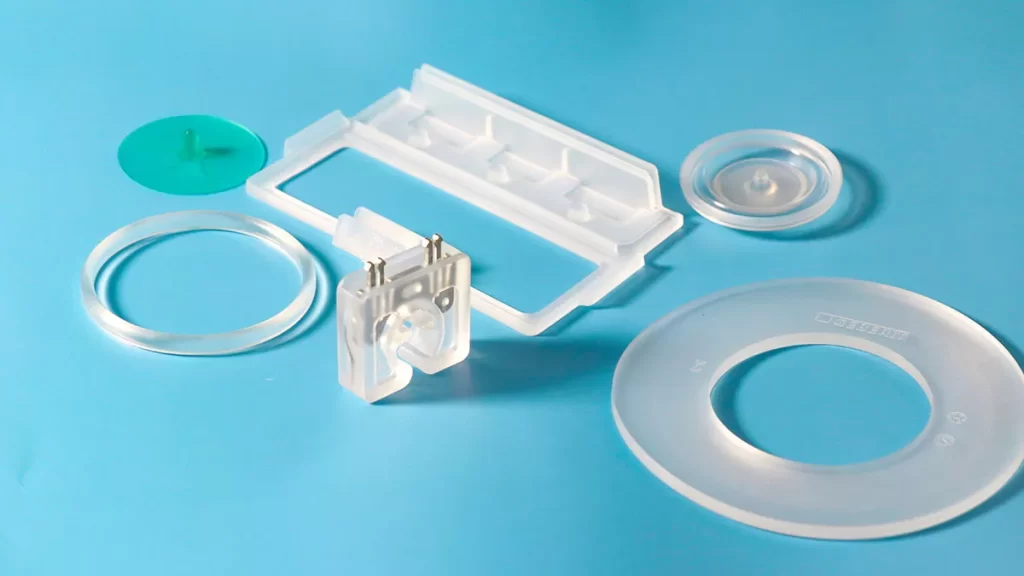
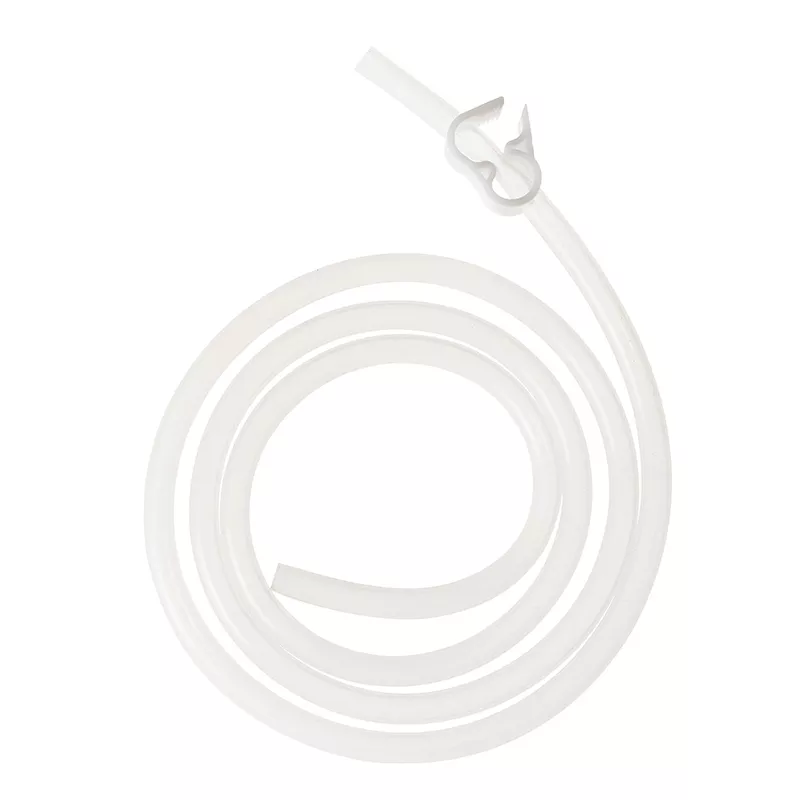
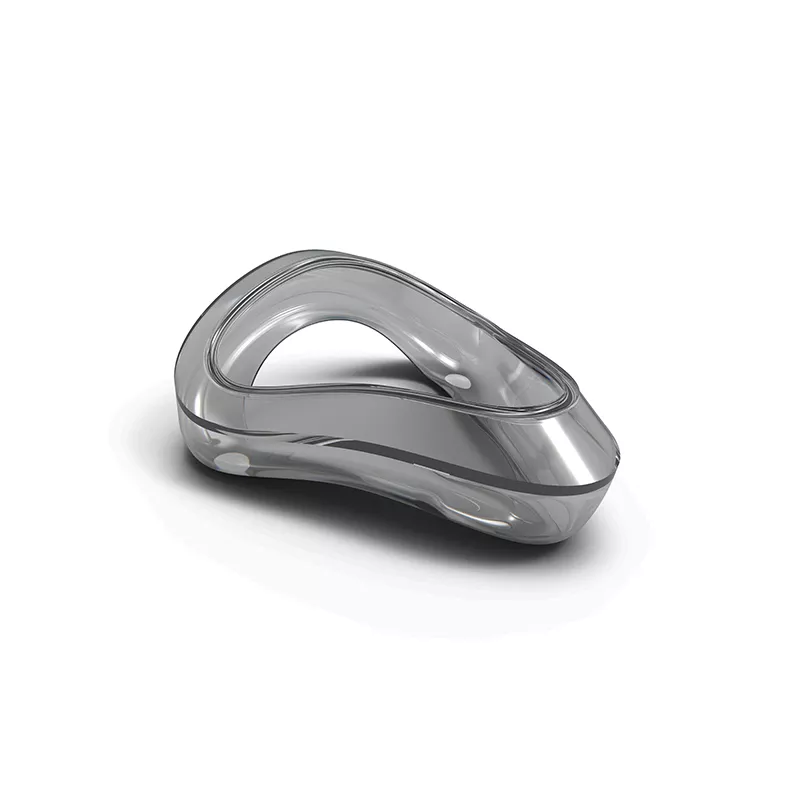
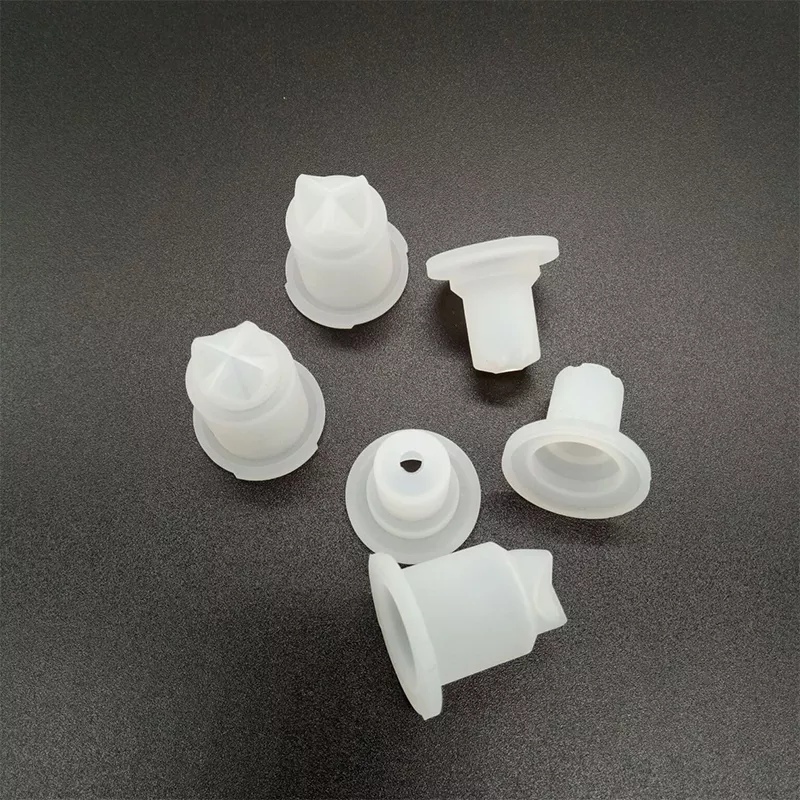
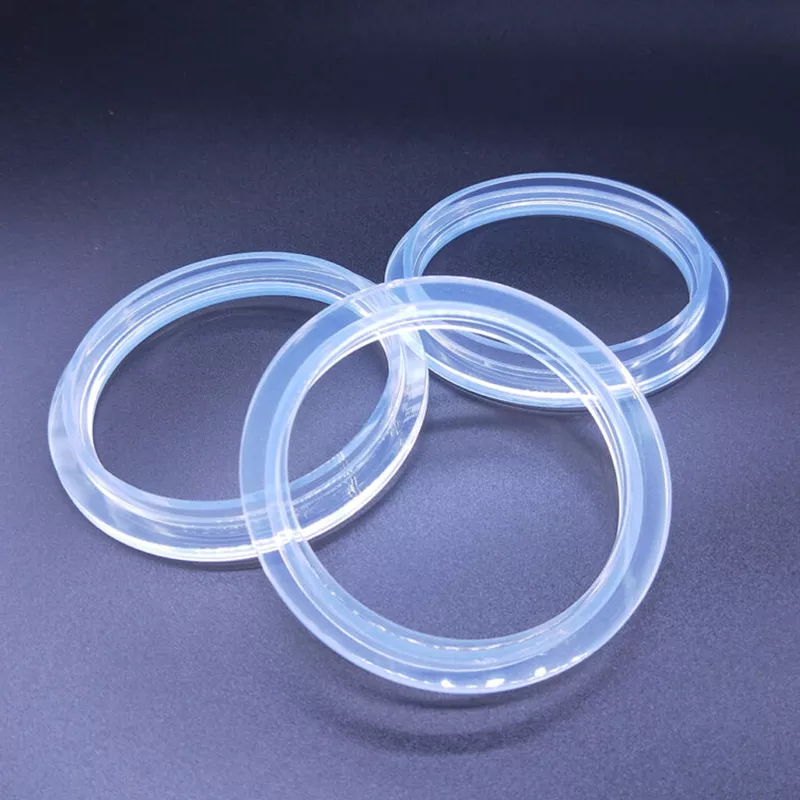
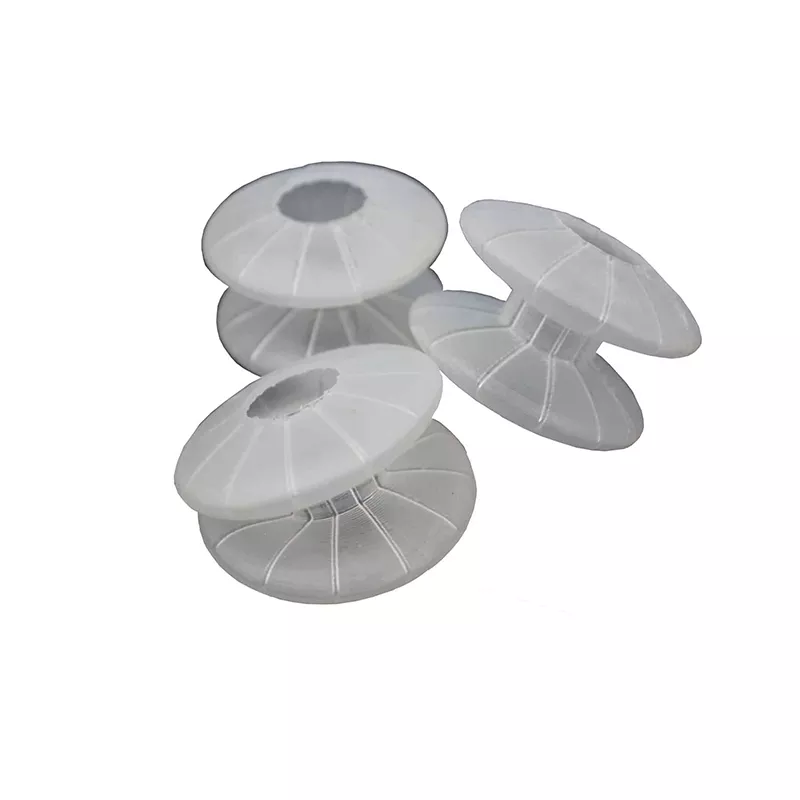
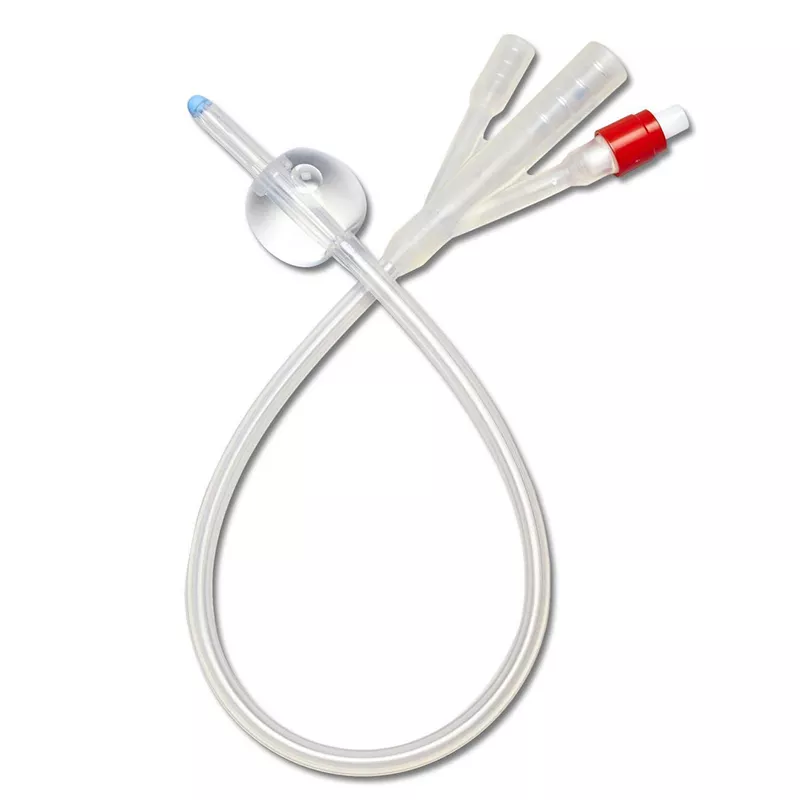
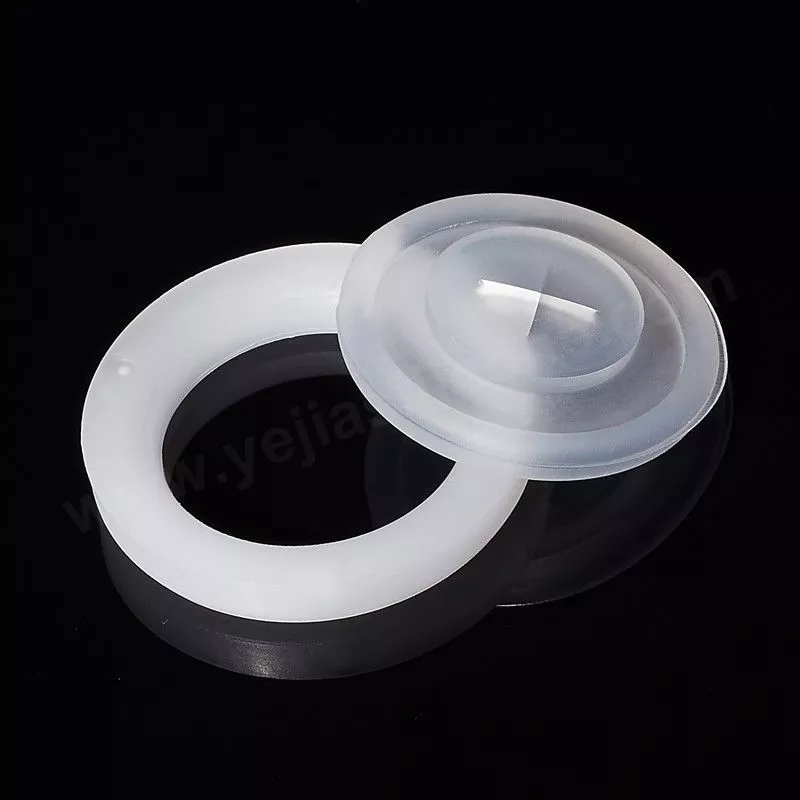
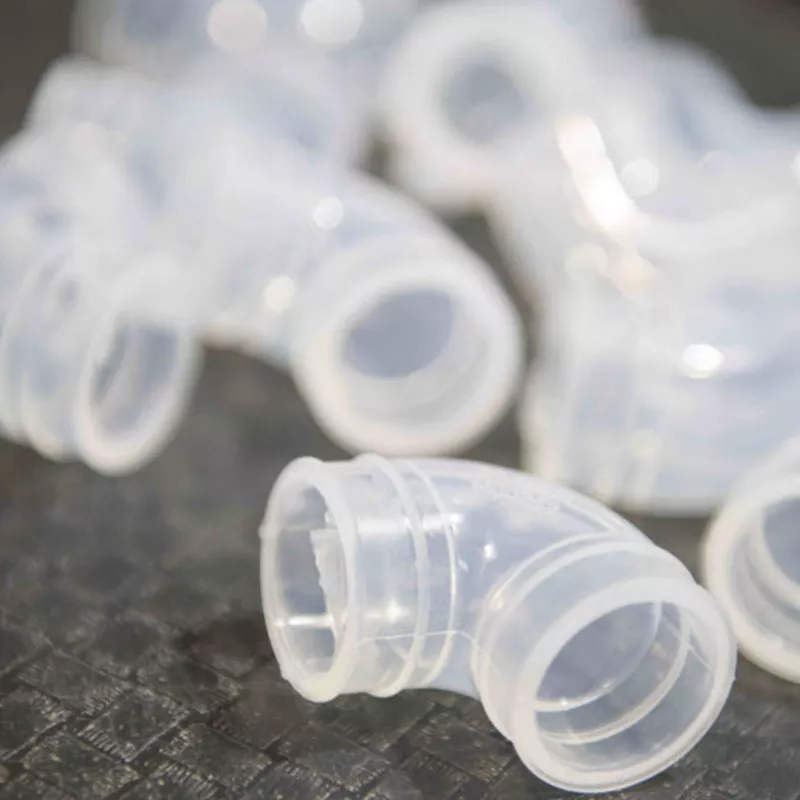
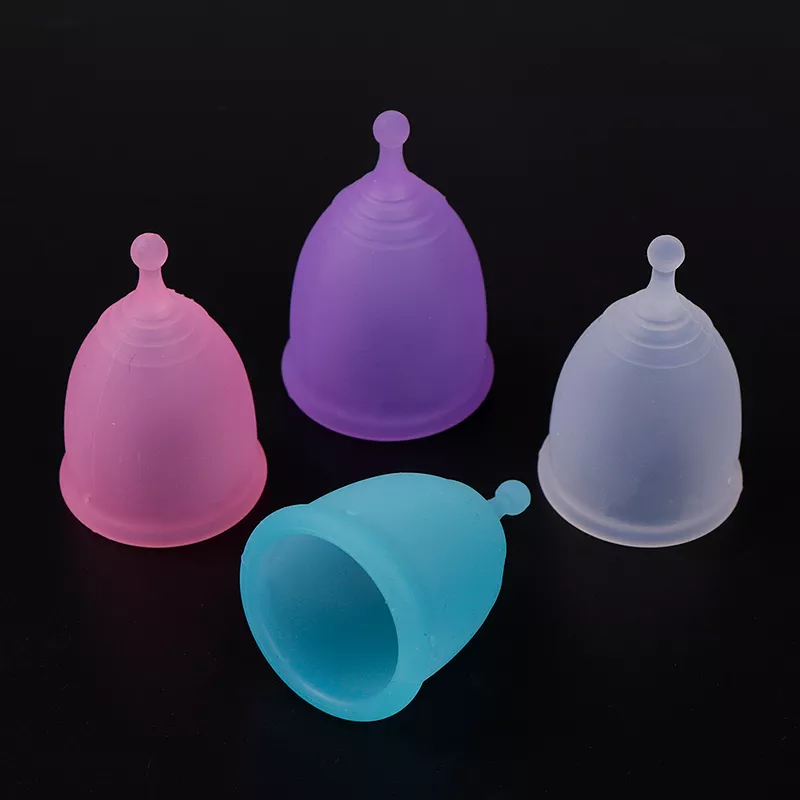
Gallery of Liquid Silicone Rubber Injection Molded Parts

We Work With Nearly All Industries

Fuming’s Liquid Silicone Rubber Injection Molding service is well-suited to meet the diverse requirements of industries such as automotive, medical, and consumer goods.

Scroll to Top

Request A Quote

Please fill in your information in detail. We will contact you as soon as possible and provide you with the most accurate quote for your reference.