

Услуги по индивидуальной высечке
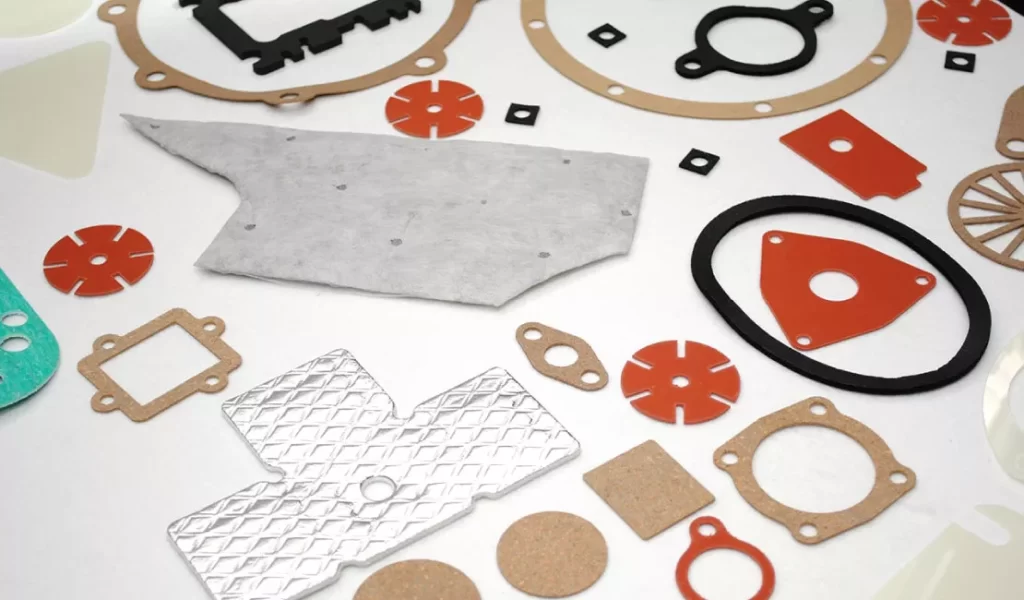
Существуют различные методы производства индивидуальной высечки, при этом подходящая техника выбирается на основе количества заказа и требуемого времени доставки. В дополнение к прецизионной высечке мы предлагаем экономичные формы и имеем возможность обрабатывать заказы от 100 до 10 000 000 штук. Загрузите ваши файлы CAD, чтобы получить мгновенный расчет стоимости ваших высеченных компонентов.
Наши передовые возможности по плоской и ротационной высечке в сочетании с обширным производственным опытом и знаниями материалов позволяют нам поддерживать наших клиентов на высочайшем уровне.
Мы гордимся нашей приверженностью качеству, коммуникации и своевременной доставке. Наши услуги по плоской и ротационной высечке предлагают недорогой инструмент с короткими сроками выполнения и допусками до ±0,005 дюйма. Благодаря прочным партнерским отношениям с нашими поставщиками мы предоставляем универсальный выбор материалов, адаптированных к вашим уникальным требованиям к применению. Мы также предлагаем широкий спектр специализированных материалов, включая материалы для экранирования EMI и RFI, теплового управления, проводящих и непроводящих применений, а также огнестойкие и сертифицированные UL варианты. Наша команда по продажам, обслуживанию клиентов и инжинирингу, не имеющая аналогов по опыту, поможет вам от начала до завершения проекта. Независимо от того, нужны ли вам прототипы или крупносерийное производство, мы можем вырезать изделия по вашим точным спецификациям, используя различные неметаллические материалы.
Что такое высечка?
Онлайн-услуга по индивидуальной высечке
Услуги по индивидуальной высечке
- Мы предоставляем помощь в проектировании, чтобы помочь с конфигурацией деталей, выбором материала и клея, а также другими техническими соображениями, жизненно важными для производительности вашего продукта.
- Услуги по прототипированию позволяют нам быстро производить образцы деталей для функционального тестирования и валидации.
- Независимо от того, нужно ли вам короткое или длинное производство, мы очень эффективны в обработке обоих, в зависимости от ваших требований.
- Контроль качества поддерживается от проверки сырья до готовой продукции, обеспечивая полное соответствие спецификациям.
Варианты процесса высечки
Ротационная высечка
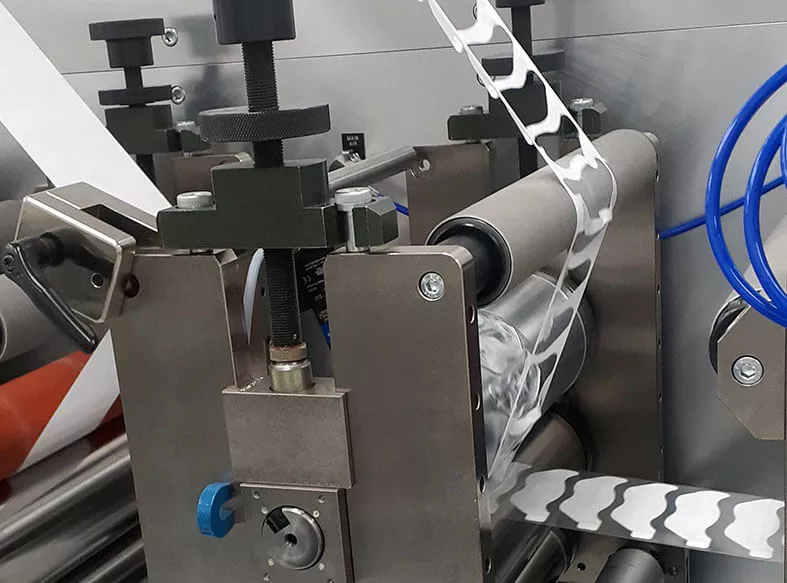
При ротационной высечке материал подается между цилиндрическим вращающимся штампом и опорным наковальным валком. Штамп работает на высокой скорости, в то время как наковальня обеспечивает встречное давление, позволяя быструю и эффективную резку. Этот метод позволяет обрабатывать целый лист или непрерывную ленту сырья за один проход, легко производя различные формы и рисунки. Услуги по ротационной высечке обычно используются для высокоскоростного производства этикеток, наклеек и сложных узоров.
Плоская высечка
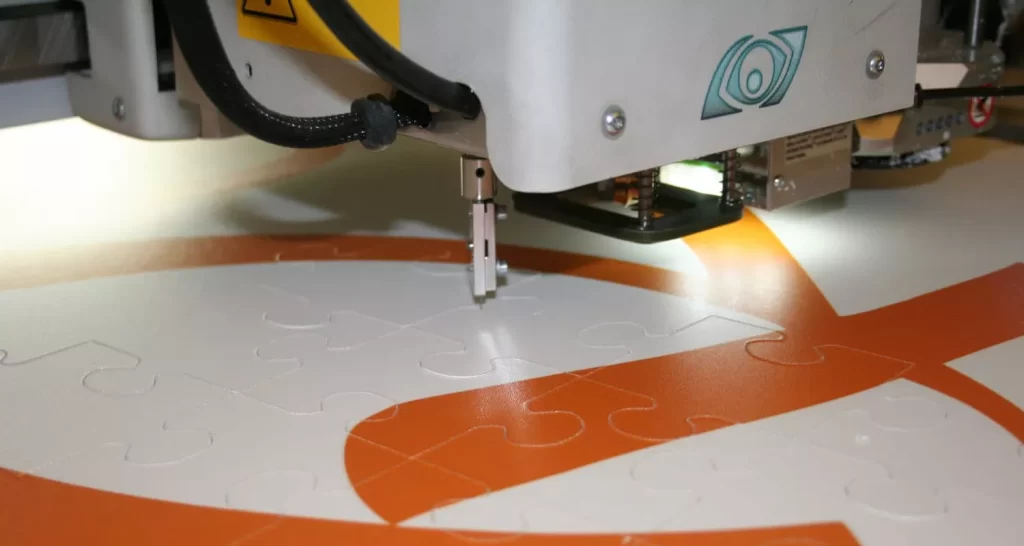
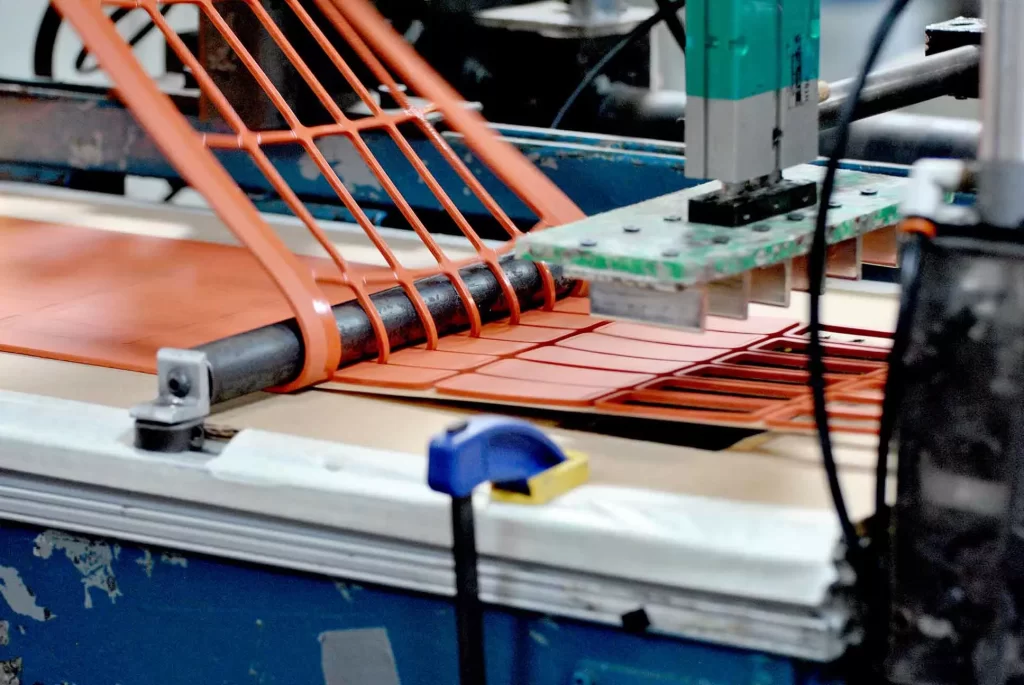
Наиболее распространенным методом высечки является плоская высечка или высечка стальной линейкой. Эта техника использует пресс для плоской высечки и стальные штампы для точного вырезания сырья в индивидуальные формы и рисунки. Она особенно эффективна для вырезания более толстых материалов — тех, чья толщина превышает ⅛ дюйма, благодаря своей способности прикладывать значительное давление. Возможности по давлению варьируются в зависимости от конкретной машины и ее конструкции; например, некоторые прессы для плоской высечки могут оказывать давление от 2 до 5 тонн, в то время как более крупные промышленные машины могут прикладывать 20 тонн и более. Эти системы с более высокой производительностью часто используются в промышленных условиях для обработки тяжелых материалов или для крупносерийного производства. Плоская высечка очень выгодна для коротких производственных партий, так как может работать в полу-партионном или партионном режимах производства. Она универсальна и подходит для вырезания широкого спектра материалов, включая бумагу, картон, пену, ткань и пластики.
Материалы, используемые для высечки
Fuming сотрудничает с ведущими отраслевыми поставщиками, чтобы предоставить экономичные, высококачественные сырьевые материалы, адаптированные к вашим требованиям по высечке. Наша сертификация ISO 13485 и статус предпочтительного конвертера 3M отражают нашу приверженность превосходному качеству и обслуживанию. Для многих применений высечки мы также можем использовать материалы, предоставленные заказчиком.
- Бумага
- Пена
- Лента и клей
- Фольга
- Пленка и пластик
- Ткань и сетка
- Резина
- Нетканые материалы
- Тепловое управление
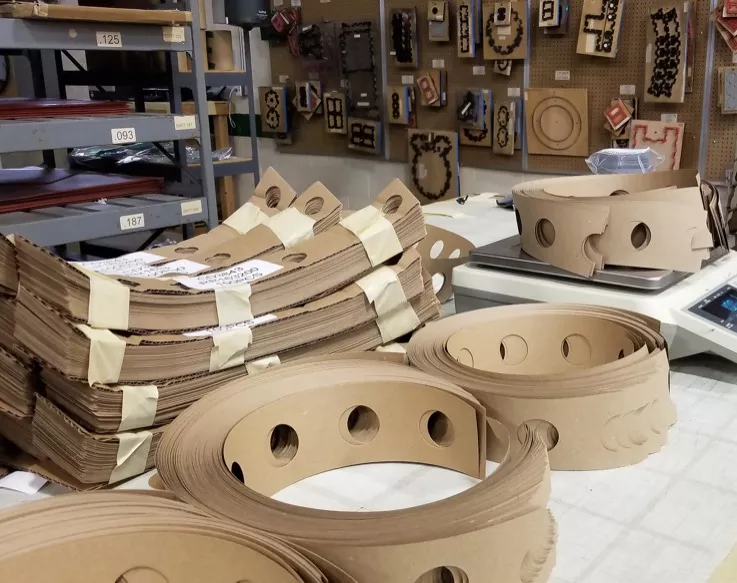
Преимущества высечки
- Доступность
- Настраиваемость
- Гибкость и универсальность
- Точность и аккуратность
- Автоматизация и интеграция
Недостатки высечки: может не подходить для толстых материалов
Мы работаем с каждой отраслью
- Аэрокосмическая промышленность
- Стоматология
- Энергетика
- Плёнка
- Машиностроение
- Медицина
- Упаковка
- Общественная инфраструктура
- Отдых и развлечения
Альтернативы высечке
Хотя высечка является широко используемым производственным процессом, альтернативные методы достижения сопоставимых результатов доступны через Fuming. Ниже приведены несколько альтернатив, которые стоит рассмотреть:
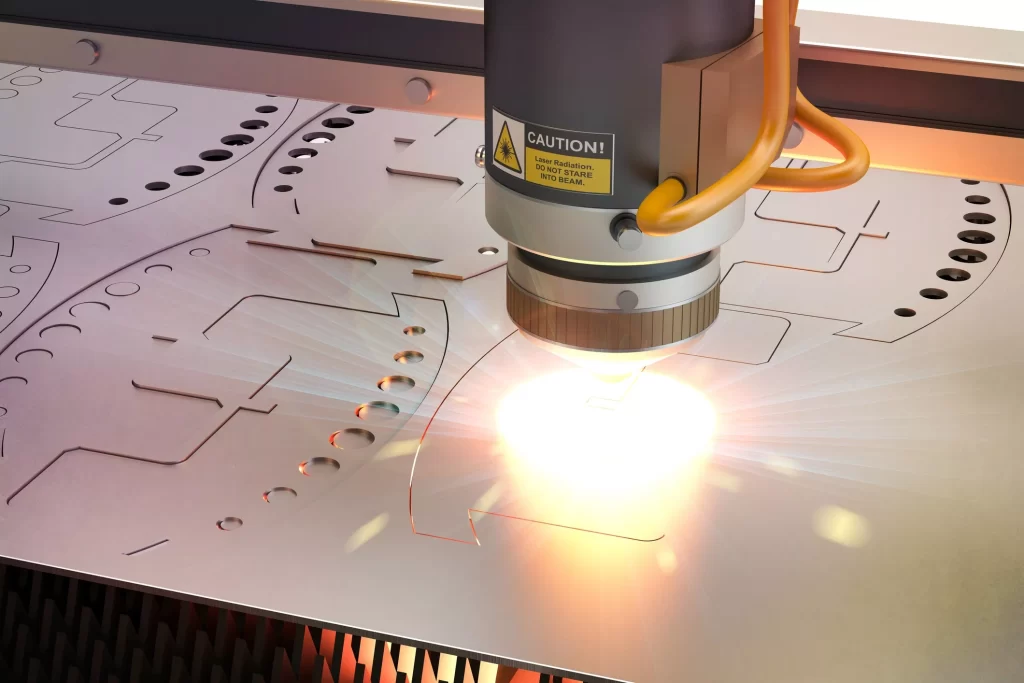
Лазерная резка
Лазерная резка использует сфокусированный лазерный луч для точного прорезания материалов. Этот метод обеспечивает высокую точность, сложную детализацию и возможность обрабатывать широкий спектр материалов, включая пластики, дерево, акрил, ткани и металлы. Лазерная резка особенно хорошо подходит для тонких или деликатных материалов и дизайнов, требующих сложной геометрии.
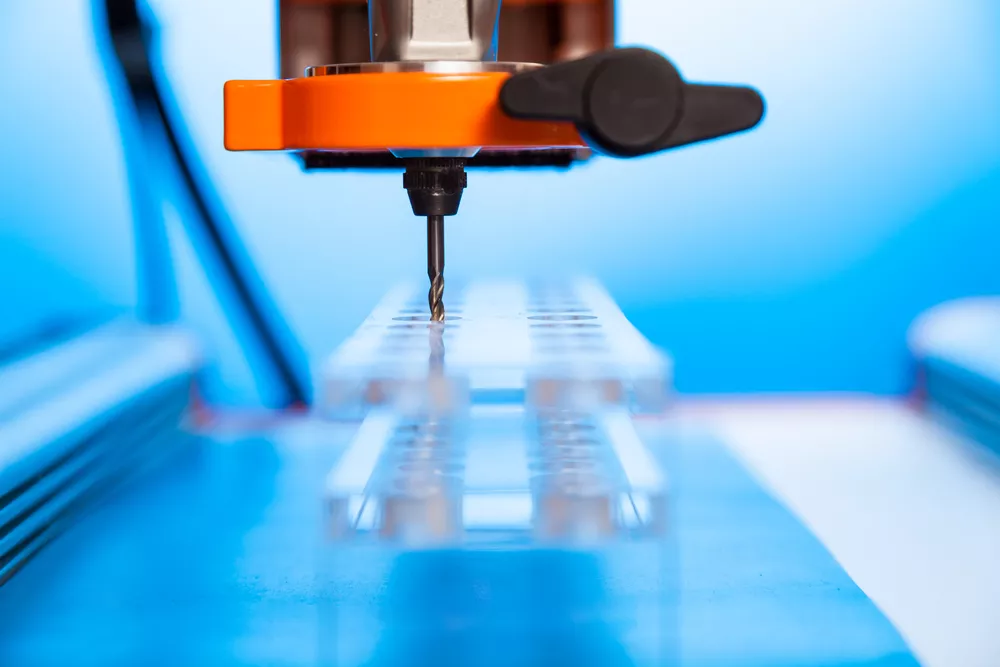
Маршрутизация или фрезерование с ЧПУ
Маршрутизация и фрезерование с ЧПУ включают использование управляемой компьютером машины, оснащенной режущими инструментами, для вырезания, формовки и резки материалов. Этот метод подходит для таких материалов, как дерево, пластики, пены и цветные металлы. Маршрутизация с ЧПУ обеспечивает высокую точность, универсальность и возможность создавать сложную 2D и 3D геометрию.