

Услуги по штамповке металла
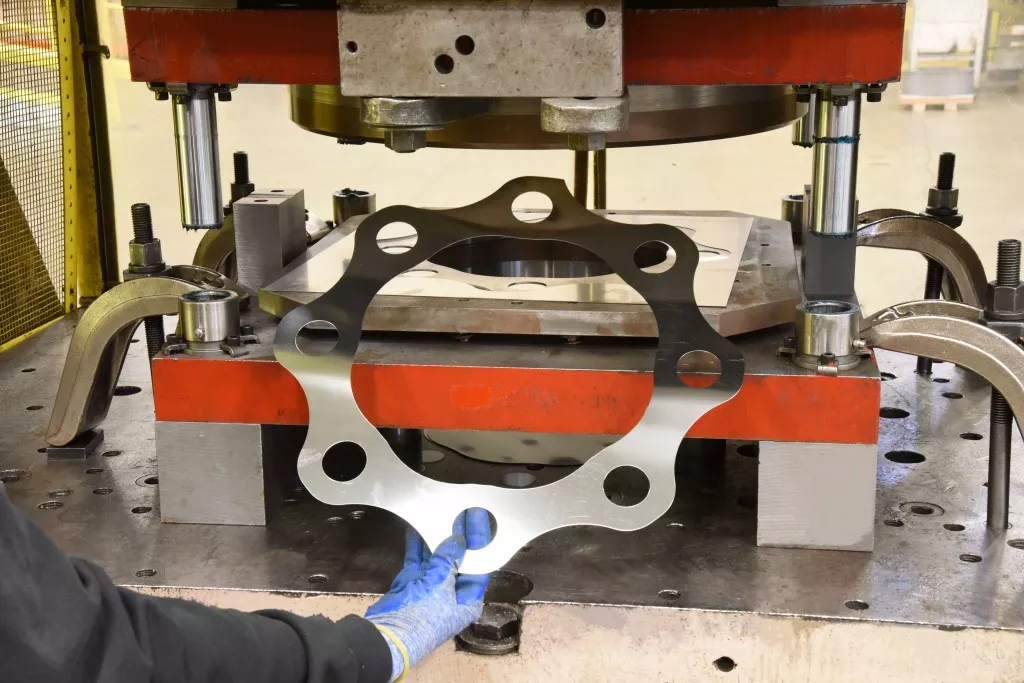
Штамповка металла охватывает процессы одинарной, прогрессивной и трансферной штамповки. Fuming обеспечивает высокую эффективность, скорость и качество для сложных операций по штамповке металла в больших и средних объемах, включая пробивку, вырубку, гибку, чеканку, фланцевание и тиснение. Мы предоставляем высококачественные штампованные металлические детали, от малых партий до производственных объемов в миллионы штук.
Высокоточная штамповка и производство металла
Fuming предоставляет ведущим OEM-производителям и производителям первого уровня по всему миру услуги по прогрессивной вырубной штамповке и высокоскоростной штамповке металла. Мы поддерживаем индивидуальные требования к крупносерийному производству прецизионных компонентов, электрических разъемов, контактов и различных других электрических и неэлектрических деталей. Наши внутренние возможности включают быстрое прототипирование, проектирование и изготовление инструментов, гидроабразивную резку и услуги по сборке. Мы признаны за инвестиции в первоклассные технологии производства штамповки и внедрение строгих мер контроля качества через наши фирменные inline- и offline-системы машинного зрения и сенсорные технологии. Эти постоянные инвестиции в оборудование позволяют нам удовлетворять меняющиеся отраслевые требования, достигать большей производственной эффективности, предлагать конкурентоспособные цены и обеспечивать превосходные результаты продукции.
Онлайн-расчет стоимости услуг по штамповке металла
Fuming производит индивидуальные металлические штамповки из различных материалов, включая медь, латунь, нержавеющую сталь и стальные сплавы. Мы предлагаем штамповки в производственных объемах до одного миллиона единиц и более, выдерживаемые в строгих допусках и поставляемые с конкурентоспособными сроками выполнения. Начните работу с нашей системой онлайн-расчета, чтобы воспользоваться нашими услугами по прецизионной штамповке металла. Наши менеджеры проектов и технические эксперты лично рассматривают и вручную рассчитывают каждый проект по штамповке металла, гарантируя, что мы отвечаем вашим уникальным требованиям, одновременно обеспечивая быстрый и бесшовный производственный опыт.
Процесс штамповки
- Вырубка — эта операция удаляет заготовку из исходного металлического листа для создания желаемой формы. Это противоположность пробивке, так как удаленный материал становится готовой формой или заготовкой.
- Пробивка — пробивка использует штамп и пуансон для вырезания листового металла в заданную форму. Излишки материала выбрасываются из листа, а оставшаяся часть образует готовую деталь.
- Гибка — листовой металл сгибается и формуется в соответствии со спецификациями дизайна. Наиболее распространенными формами являются L, U или V профили, достигаемые путем сгибания материала вокруг одной оси.
- Вытяжка — также называемая формовкой, этот процесс использует сжимающее усилие для придания листовому металлу формы полости или вокруг желаемого контура.
- Тиснение — тиснение использует штамп для вдавливания узора или рисунка на металлическую заготовку, создавая рельефный или углубленный элемент поверхности.
Возможности по штамповке металла
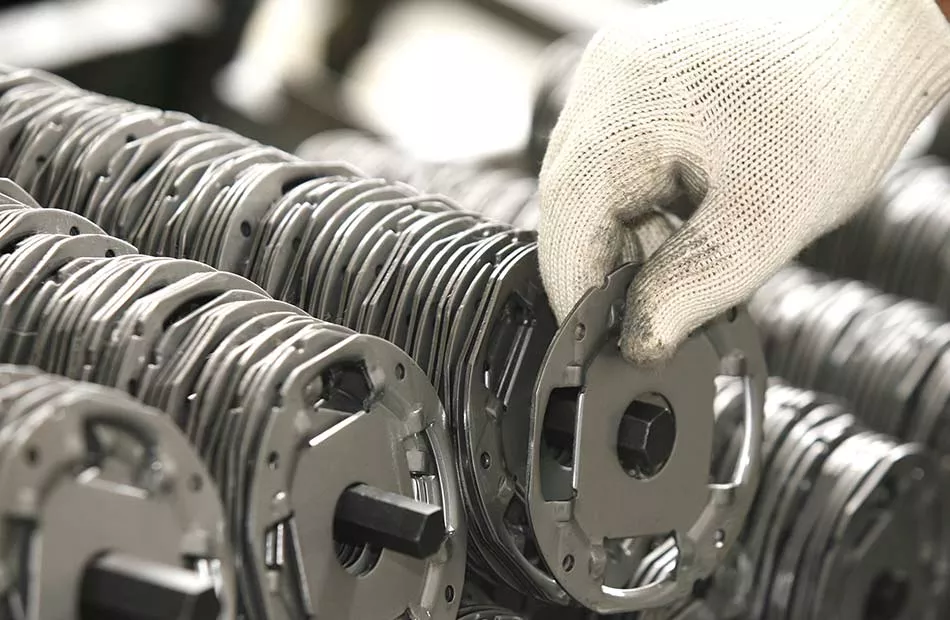
Мы эксплуатируем несколько прецизионных прессов для штамповки металла мощностью от 45 до 800 тонн, все из которых используют передовую систему управления прессом с интегрированной сенсорной технологией в штампе. Эта установка удовлетворяет требования как малосерийного, так и крупносерийного производства, одновременно защищая ваши штампы для штамповки. Наши возможности по штамповке обслуживают широкий спектр отраслей, производя компоненты от деталей размером 5 мм для приложений промышленной автоматизации до деталей размером 31 дюйм для фитнес-оборудования.
- Система ERP управляет планированием производства и контролем качества.
- Собственный инструментальный цех изготавливает прогрессивные штамповочные штампы, способные выполнять несколько операций, включая сборку и нарезание резьбы в штампе.
- Сенсорная технология защищает штампы для штамповки во время производства и обеспечивает правильное функционирование всех операций.
- Расширенный контроль и гибкость хода сервопресса обеспечивают производство металлических деталей с большей скоростью и точностью.
- Комплексные проверки качества проводятся как в цеху штамповки, так и в лаборатории качества.
- Завершение обработки металлических деталей выполняется внутри компании, включая услуги по подсборке, финишной обработке и упаковке, готовой к линии.
- Внутреннее обслуживание штампов выполняет ремонт и модификации штампов в установленные сроки.
Виды штамповки
We offer single and multistage stamping, progressive die, deep draw, fourslide, and other methods to guarantee the most efficient approach for producing your components. Fuming’s experts can match your project with the appropriate stamping process by evaluating your uploaded 3D model and technical specifications.
- Мы предлагаем одно- и многоступенчатую штамповку, прогрессивную вырубку, глубокую вытяжку, четырехслайдную штамповку и другие методы, чтобы обеспечить наиболее эффективный подход для производства ваших компонентов. Эксперты Fuming могут подобрать для вашего проекта соответствующий процесс штамповки, рассмотрев загруженную вами 3D-модель и технические чертежи.
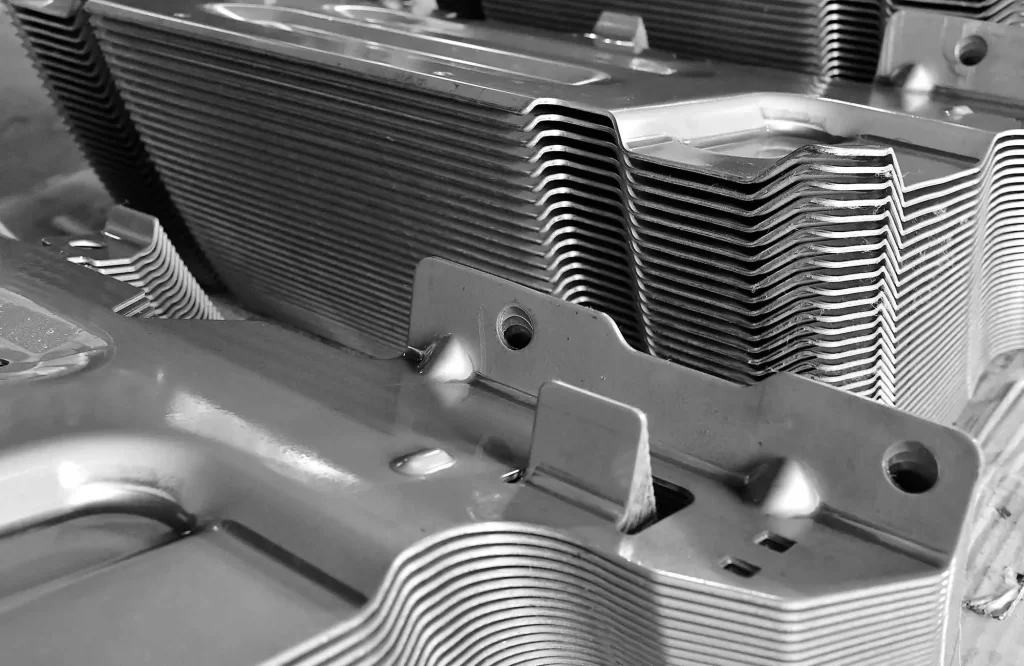
- Прогрессивная вырубная штамповка использует серию штампов на последовательных станциях для постепенного формования деталей, позволяя выполнять более глубокую вытяжку и более сложную геометрию, чем обычно позволяет одноступенчатый инструмент. Эта техника особенно хорошо подходит для крупносерийного производства крупных компонентов, таких как те, что распространены в автомобильной промышленности. Трансферная вырубная штамповка — это родственная процесс, хотя прогрессивная штамповка удерживает заготовку прикрепленной к металлической ленте на протяжении всего процесса, в то время как трансферная штамповка удаляет заготовку и перемещает ее между станциями.
- Глубокая вытяжка производит компоненты с глубокими полостями, такие как закрытые прямоугольные формы. Этот процесс дает жесткие детали, так как обширная деформация сжимает металлическую структуру в более кристаллическую форму. Стандартная вытяжная штамповка, использующая более мелкие штампы для формовки металла, также широко применяется.
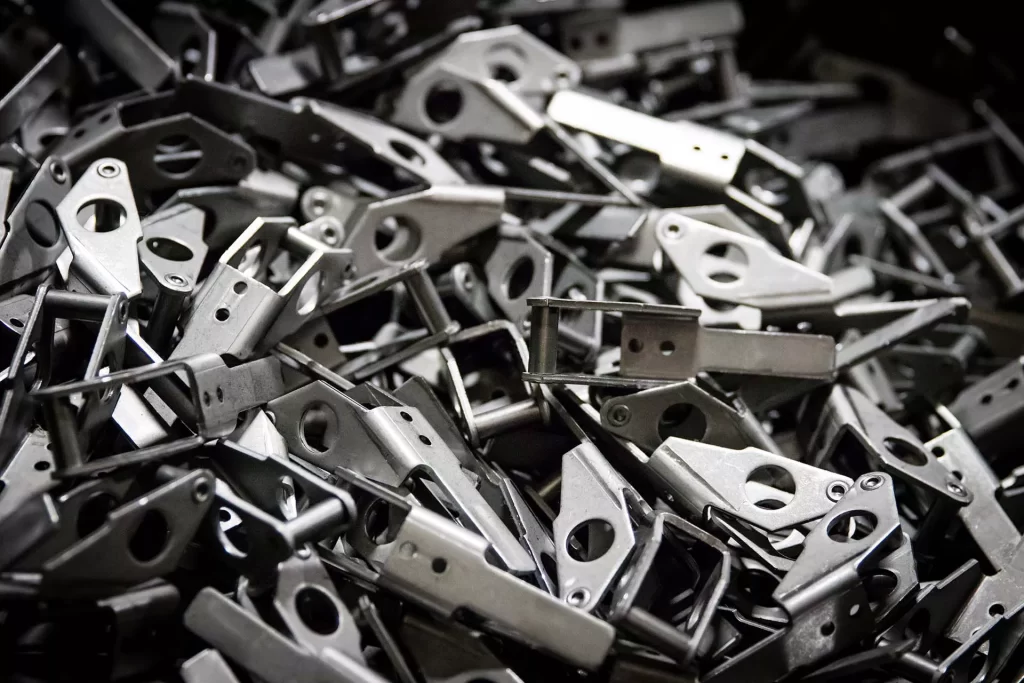
- Четырехслайдная штамповка формирует детали с четырех осей, а не с одного направления. Этот метод используется для производства небольших сложных компонентов, включая электронные детали, такие как разъемы батарей для телефонов. Предлагая повышенную гибкость дизайна, более низкие производственные затраты и более быстрые производственные циклы, четырехслайдная штамповка широко используется в аэрокосмической, медицинской, автомобильной и электронной отраслях.
- Гидроформовка представляет собой эволюцию традиционной штамповки. Листовой металл помещается поверх штампа с желаемым нижним контуром, в то время как верхний штамп содержит масляный баллон, который заполняется до высокого давления, прижимая металл к форме нижнего штампа. Несколько деталей могут быть гидроформованы одновременно. Эта техника быстрая и точная, хотя обычно требуется вторичная операция обрезки для отделения отдельных деталей от листа.
- Вырубка вырезает заготовки из листа в качестве начального шага перед формовкой. Точная вырубка, специализированный вариант, производит точные разрезы с гладкими краями и плоскими поверхностями.
- Чеканка — это еще один вариант штамповки, используемый для создания небольших круглых заготовок. Значительное усилие, необходимое для формовки этих мелких деталей, наклепывает металл, одновременно удаляя заусенцы и шероховатые края.
- Пробивка является обратной операцией вырубке; она удаляет материал из заготовки, а не извлекает материал для создания заготовки.
- Тиснение создает трехмерные рисунки в металле, либо выступающие над поверхностью, либо углубленные через впадины.
- Гибка происходит вдоль одной оси и часто используется для создания U-, V- или L-образных профилей. Эта техника выполняется путем зажима одной стороны и сгибания другой над штампом или путем прессования металла в или против штампа. Фланцевание — это операция гибки, применяемая к язычкам или определенным частям заготовки, а не ко всей детали.
Материалы для штамповки металла
- Нержавеющая сталь
- Алюминий
- Холоднокатаная сталь
- Горячекатаная сталь
- Предварительно оцинкованная сталь
- Отожженная сталь
- Латунь
- Медь
- Пластмасса
Применение деталей для штамповки металла
Fuming производит прецизионные штампованные компоненты, адаптированные к точным спецификациям вашего проекта. Наши специалисты по инструменту и штамповке металла могут разрабатывать как автономные, так и дополнительные детали. Эти индивидуальные услуги по штамповке поддерживают производство широкого спектра продуктов в многочисленных отраслях, включая:
- Электронные клеммы
- Компоненты датчиков
- Ярмы
- Упорные шайбы
- Радиаторы
- Лезвия для картриджей принтеров
- Медицинские компоненты
- Вставки
- Предохранительные зажимы
- Кронштейны
- Контакты
- Крышки
- Защелки
- Детали мебели
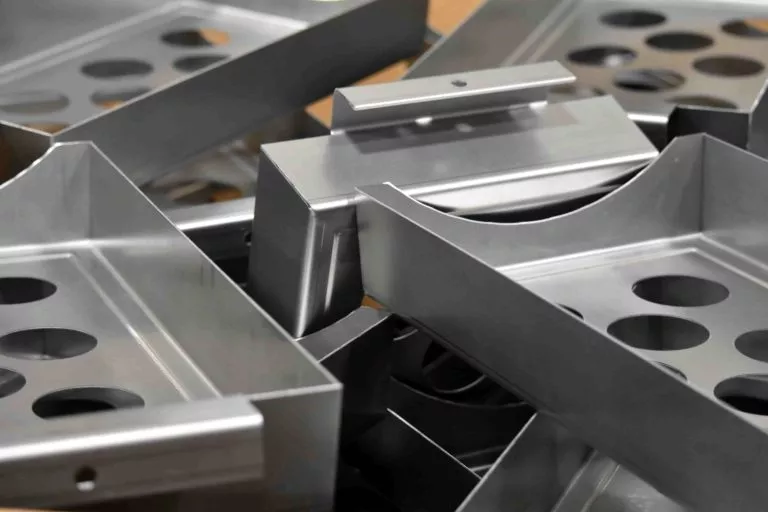
Варианты финишной обработки металла
- Предварительное гальваническое покрытие, последующее гальваническое покрытие и точечное гальваническое покрытие
- Порошковое покрытие и электрофоретическое покрытие
- Электрополировка
- Удаление заусенцев
- Термическая обработка
- Шлифование, заточка и полировка
- Очистка