

Услуга селективного лазерного плавления (SLM)
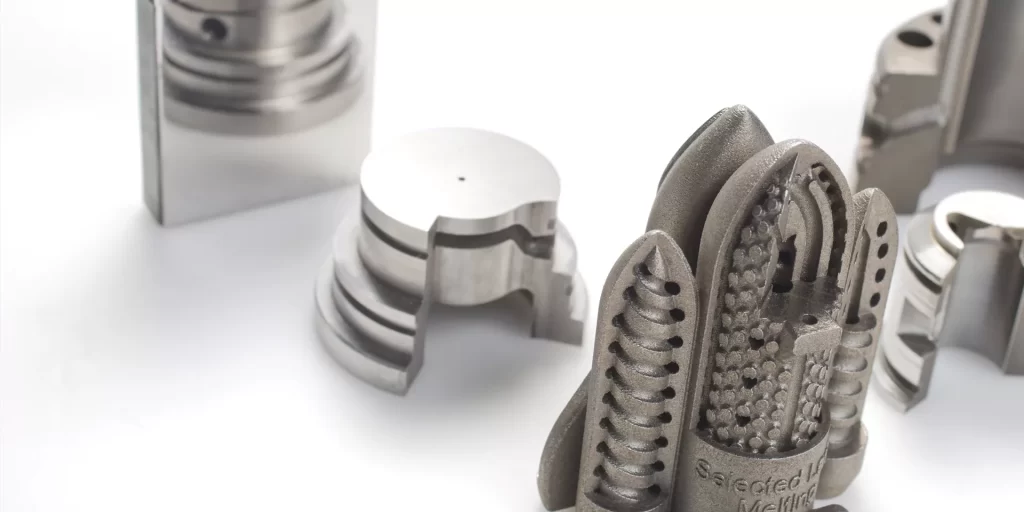
3D-печать методом селективного лазерного плавления (SLM) использует мощные лазерные лучи для сплавления металлического порошка с исключительной точностью, создавая сложные компоненты слой за слоем. Используйте эту передовую технологию для эффективного и простого производства сложных металлических прототипов и функциональных готовых деталей.
Производитель 3D-печатных деталей методом SLM
От создания прототипов до мелкосерийного производства — наша глобальная сеть сертифицированных центров 3D-печати SLM позволяет вам изготавливать высокоточные компоненты, качество и прочность которых сопоставимы с деталями, полученными литьем под давлением. Наш опыт в аддитивном производстве в сочетании с высококлассными функциональными прототипами, круглосуточной поддержкой, конкурентоспособными ценами и своевременной доставкой в более чем 150 стран помогает превратить ваши концепции в реальность. Мы ускоряем выход инновационных продуктов на рынок, одновременно снижая производственные затраты и экономя ценное время на НИОКР. Просто загрузите ваши CAD-файлы, получите мгновенный расчет стоимости 3D-печати методом селективного лазерного плавления и начните производство менее чем за 5 минут.
Получить мгновенный расчет онлайн
Загрузите вашу 3D CAD-модель на нашу собственную цифровую производственную платформу и получите немедленный расчет. Работаете ли вы с алюминием, нержавеющей сталью, инструментальной сталью или титаном — мы будем рады предоставить экспертную консультацию о преимуществах 3D-печати металлических компонентов.
Доступные металлические материалы для SLM-печати
- Инструментальная сталь H13
- PtRh20 (Платино-родиевый сплав)
- Инвар 36
- Золото
- Медь
- SLM 1.2709 (Мартенситно-стареющая сталь)
- и многие другие
- Ti6Al4V (Титановый сплав)
- IN 718 (Инконель 718)
- Scalmalloy RP
- AMZ4
- Heraeus Ptlr50 (Платино-иридиевый сплав)
- AlSi10Mg
- Нержавеющая сталь 316L
Рекомендации по проектированию для SLM
| Особенности | Рекомендуемый размер |
|---|---|
| Минимальный размер построения | 5 мм × 5 мм × 5 мм |
| Максимальный размер построения | 250 мм × 250 мм × 292 мм |
| Рекомендуемая толщина стенки | 1,5 мм |
| Минимальные рельефные и гравированные детали | Глубина 1,0 мм и ширина 1,0 мм |
| Минимальный зазор (для собираемых деталей) | 0,2 мм |
| Минимальный зазор (для подвижных или соединяемых деталей) | 1,0 мм |
| Проектирование резьбы | Шаг резьбы – 1,0 мм |
| Минимальный диаметр технологического отверстия | 2,5 мм |
| Минимальный диаметр отверстия | 1,5 мм |
| Минимальный диаметр колонны | 1,5 мм |
Что такое SLM 3D-печать?
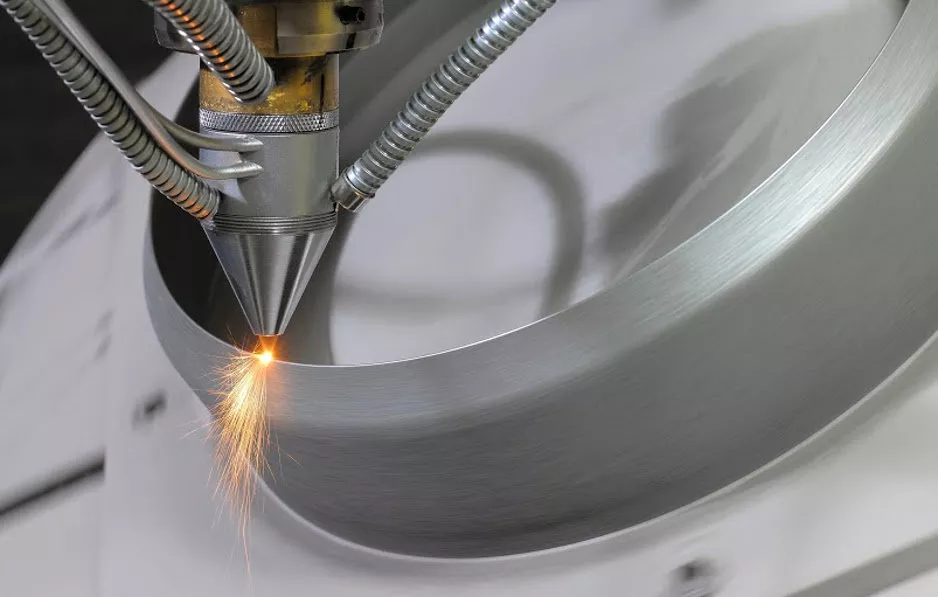
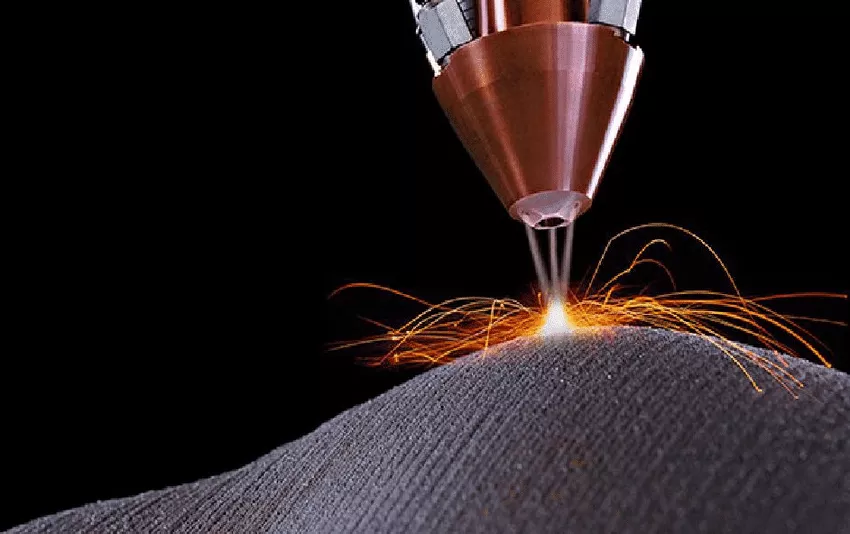
SLM — это передовая технология 3D-печати для производства металлических компонентов. В этом процессе обычно используются однокомпонентные металлические порошки, включая аустенитную нержавеющую сталь, сплавы на основе никеля, сплавы на основе титана, кобальт-хромовые сплавы и драгоценные металлы. Лазерный луч быстро плавит металлический порошок, создавая непрерывную ванну расплава, что позволяет формировать детали с практически полной плотностью, любой геометрией, полноценным металлургическим сцеплением и высокой точностью. Технология SLM широко применяется в аэрокосмической, микроэлектронной, медицинской отраслях, ювелирном деле и других сферах. Типичными проблемами процесса SLM являются эффект сфероидизации и коробление (деформация).
Как работает 3D-печать методом селективного лазерного плавления
Почему стоит выбрать технологию SLM?
Основные преимущества SLM
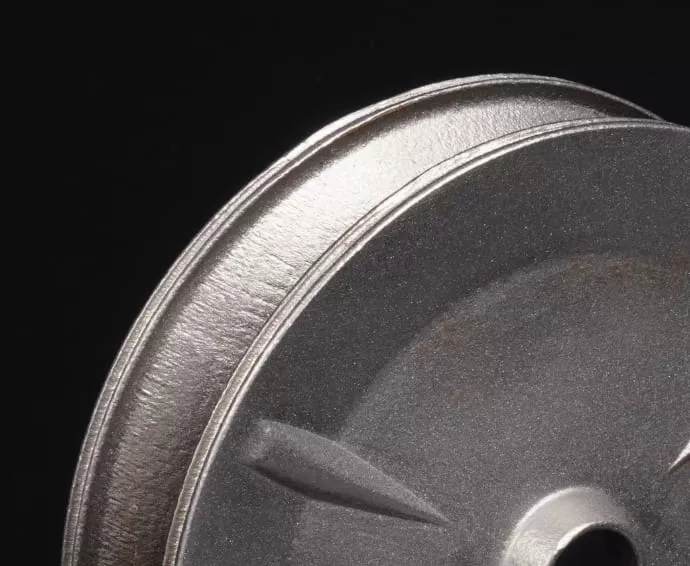
- Высокая плотность: Металлические детали, сформированные методом SLM, обладают исключительно высокой плотностью, обычно превышающей 90%.
- Превосходная прочность: Механические свойства, такие как предел прочности на разрыв, превосходят характеристики литых компонентов и часто достигают показателей кованых изделий. Твердость по Виккерсу также может превышать твердость кованых деталей.
- Точность: Полное плавление в процессе печати обеспечивает высокую точность размеров.
- Эффективность материалов: По сравнению с традиционным субтрактивным производством, SLM значительно сокращает отходы материала.
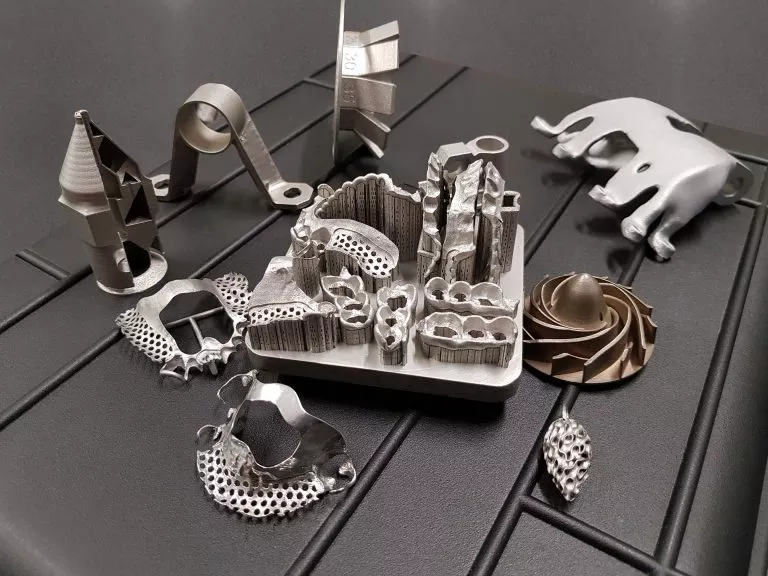
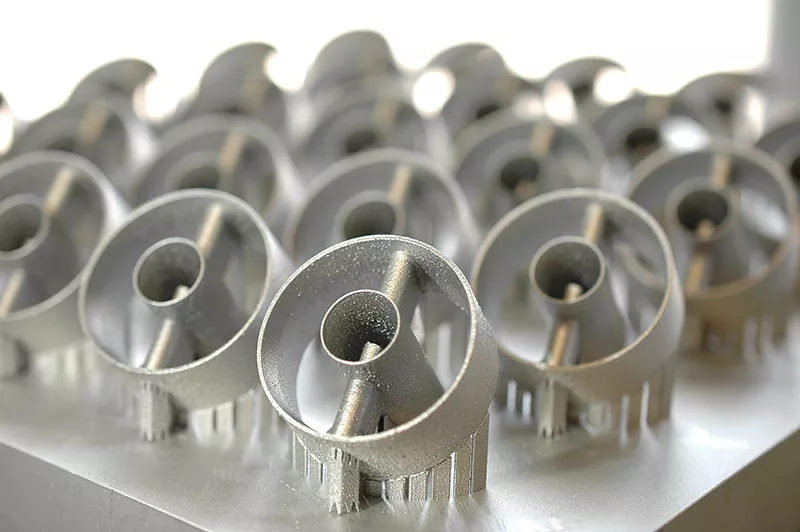
Области применения
- Прототипирование, пилотные серии и мелкосерийное производство
- Отдельные компоненты и детали, снятые с производства
- Облегченные конструкции и бионический облегченный дизайн
- Медицинские технологии и стоматология
- Аэрокосмические компоненты
- Инструментальное производство, станкостроение и машиностроение
- Автомобильная и гоночная промышленность
- Нефтегазовый сектор
- Энергетическая промышленность