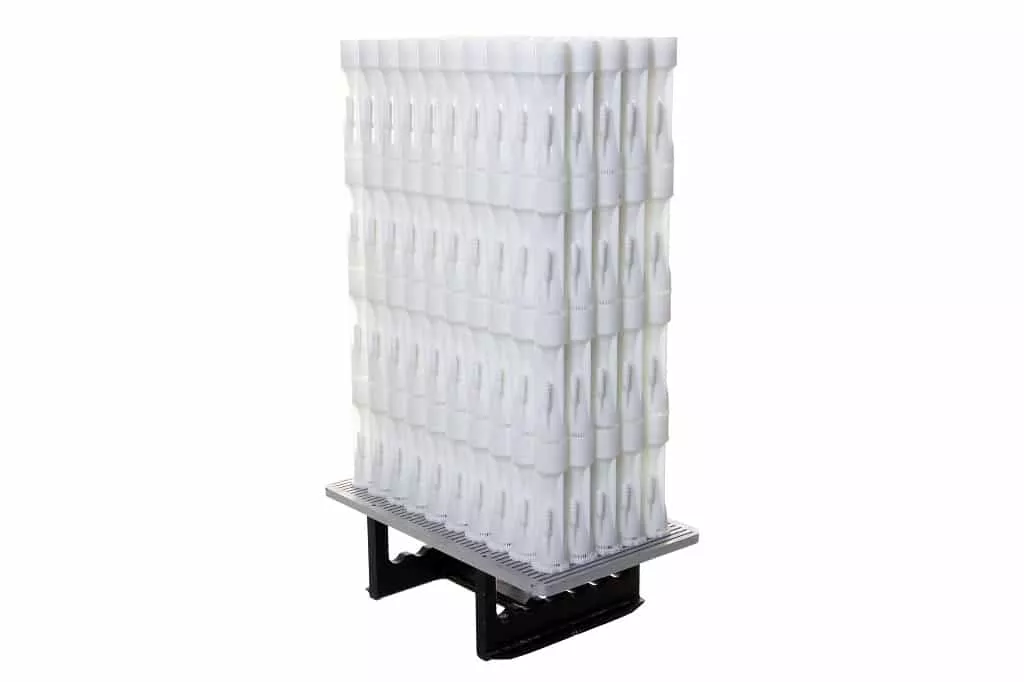

Услуга 3D-печати смолами Nexa3D LSPc
Высокоскоростное производство деталей с использованием передовых фотополимерных материалов.
Быстрое прототипирование и производство деталей без оснастки
3D-печать смолами Nexa3D LSPc® – Онлайн-расчет стоимости
Fuming использует самый современный и эффективный онлайн-сервис расчета стоимости, уделяя особое внимание геометрии изделия и его технологичности. Настройте параметры вашей детали и получите производственный расчет через нашу интерактивную платформу за считанные секунды. Благодаря бесплатным автоматизированным отчетам анализа DFM (анализ технологичности конструкции) нашей системы мгновенного расчета, вы можете обеспечить более высокое качество производства, снизить затраты и ускорить сроки поставки.
Общие допуски Nexa3D LSPc®
| Описание | Примечания к допускам |
|---|---|
| Допуск, плоскость XY | Типично +/- 0,127 мм на первый дюйм, плюс +/- 0,05 мм за каждый последующий дюйм. |
| Допуск, плоскость Z | Типично +/- 0,254 мм на первый дюйм, плюс +/- 0,05 мм за каждый последующий дюйм. |
| Высота слоя | 100 мкм / 0,004 дюйма |
| Идеальный размер детали | Детали размером менее 2″ x 1″ x 3″ или меньше, как правило, обеспечивают наилучшую экономическую эффективность производства. |
| Объем построения | До 274 x 155 x 399 мм (10,8 x 6,1 x 15,7 дюйма) |
| Минимальная толщина стенки | Для любых стенок, текста или решетчатых структур рекомендуется толщина 0,76 мм или больше. |
| Размер пикселя | 52 мкм – 76,5 мкм |
Материалы LSPc®, доступные в FUMING
| Название материала | Описание | Предел прочности при растяжении (МПа) | Относительное удлинение при разрыве (%) | HDT при 0,45 МПа (°C) | Техническая документация |
|---|---|---|---|---|---|
| xMODEL17 Clear | Прозрачная/полупрозрачная смола для прототипирования | 30 МПа | 22% | 47°C | Лист данных xMODEL17 |
| 3843-xABS Black | Инженерный пластик, аналог ABS | 32± 1 МПа | 50% | 56°C | Лист данных xABS3843 |
| xESD | Инженерный пластик, рассеивающий статическое электричество (10^7 Ω) | 68,1 МПа | 3,8% | 91,3°C | Лист данных xESD |
| xPP405 Black | Инженерный пластик, черный аналог PP | 35 ±2 МПа | 100% | 52,8°C | Лист данных xPP405 Black |
| xPEEK147 | Инженерный пластик, высокотемпературный (HDT 238C) | 75 ±2,0 МПа | 3% | 238°C | Лист данных xPEEK147 |
| xFLEX402 | Полужесткий резиноподобный эластомер (Шор A 73) | 5,5 МПа | 230% | (Недоступно) | Лист данных xFLEX402 |
| xFLEX475 Black | Мягкий, высокоэластичный резиноподобный эластомер (Шор A 44) | 2,48 ±0,3 МПа | 150% | (Недоступно) | Лист данных xFLEX475 |
| xFLEX475 White | Мягкий резиноподобный эластомер (Шор A 55) | 3,8 ±0,8 МПа | 159% | (Недоступно) | Лист данных xFLEX475 |
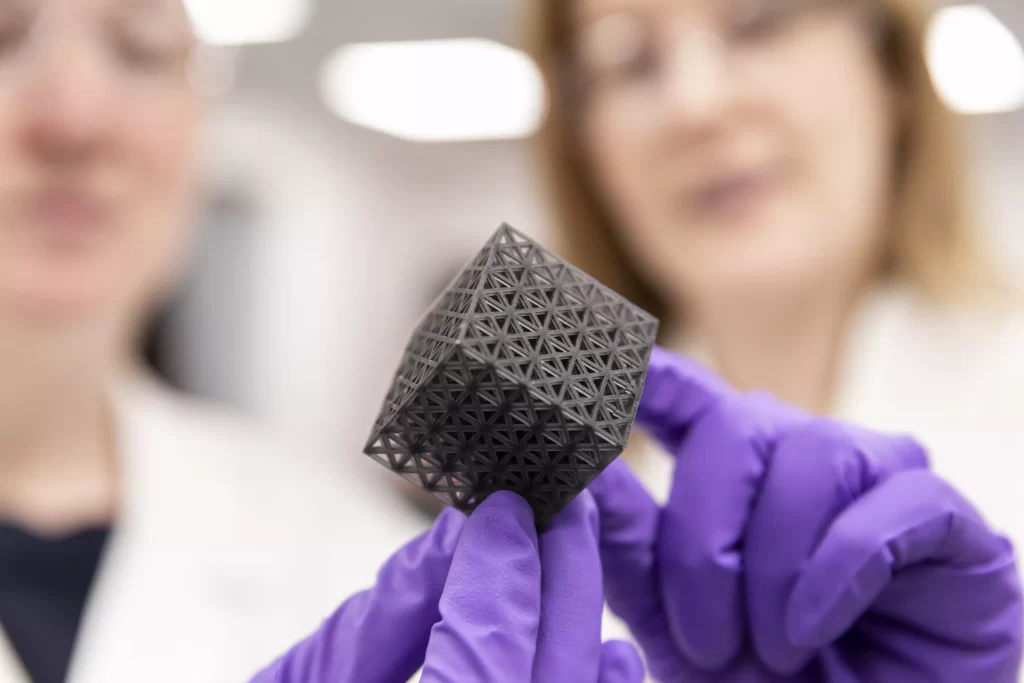
| xCERAMIC3280 | Смола, наполненная керамическим композитом, высокая жесткость | 85 МПа | 1,2% | 205°C (278°C после пост-термического отверждения) | Лист данных xCERAMIC3280 |
Доступные виды обработки поверхности для деталей Nexa3D LSPc®
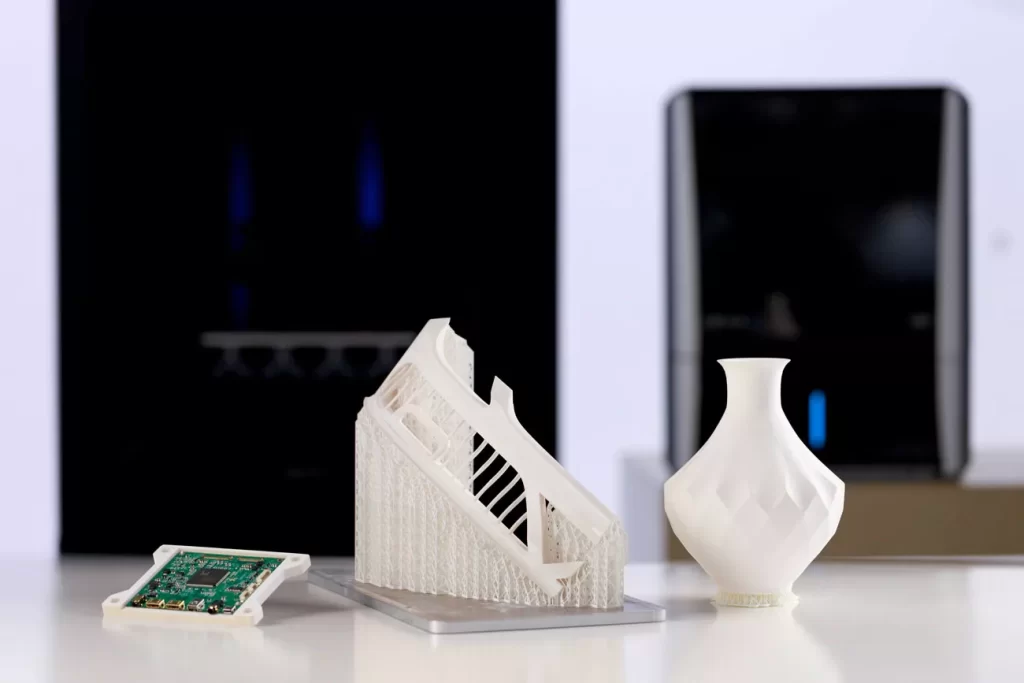
Наш стандартный вариант отделки. Опорные поверхности слегка шлифуются наждачной бумагой с зернистостью 220 или 320, после чего подвергается дробеструйной обработке для получения однородного матового вида.
В зонах поддержки могут наблюдаться мелкие точки в виде сетки или поверхностные дефекты, возникшие в результате удаления поддержек.
Fuming предоставляет дополнительные варианты отделки, включая, но не ограничиваясь: шлифовку, полировку, покраску, термическую обработку и гальванику для удовлетворения ваших требований.
Что такое технология Nexa3D LSPc®?
Ключевая инновация технологии LSPc от Nexa3D заключается в их запатентованной мембране Everlast, разработанной для минимизации сил отрыва и разделения во время печати. Эта химически инертная гибкая мембрана обеспечивает смазывающий эффект без использования кислородопроницаемых элементов, что позволяет технологии LSPc печатать с исключительной скоростью и эффективностью широким спектром смол.
После печати детали промывают для удаления неотвержденной смолы и подвергают окончательному отверждению в УФ-печи. Открытая материальная платформа Nexa3D предлагает множество инженерных смол, большинство из которых приобретают свои конечные свойства благодаря стандартному УФ-отверждению, не требуя дополнительных этапов постобработки. В то время как сопоставимые технологии, такие как Carbon DLS™, могут выигрывать от дополнительной обработки, эти лишние шаги могут увеличить время постпроизводства и затраты на материалы. Эффективность и простота постобработки деталей LSPc® делают эту технологию особенно выгодной для крупносерийной 3D-печати и жизнеспособной альтернативой таким методам производства, как литье из уретана или быстрое формование.
Преимущества 3D-печати LSPc®
Основные фишки:
- Сверхбыстрая скорость печати
- Широкий спектр инженерных материалов
- Высокая точность размеров и детализация
- Гладкая естественная поверхность
- Готовые к эксплуатации детали в производственных количествах