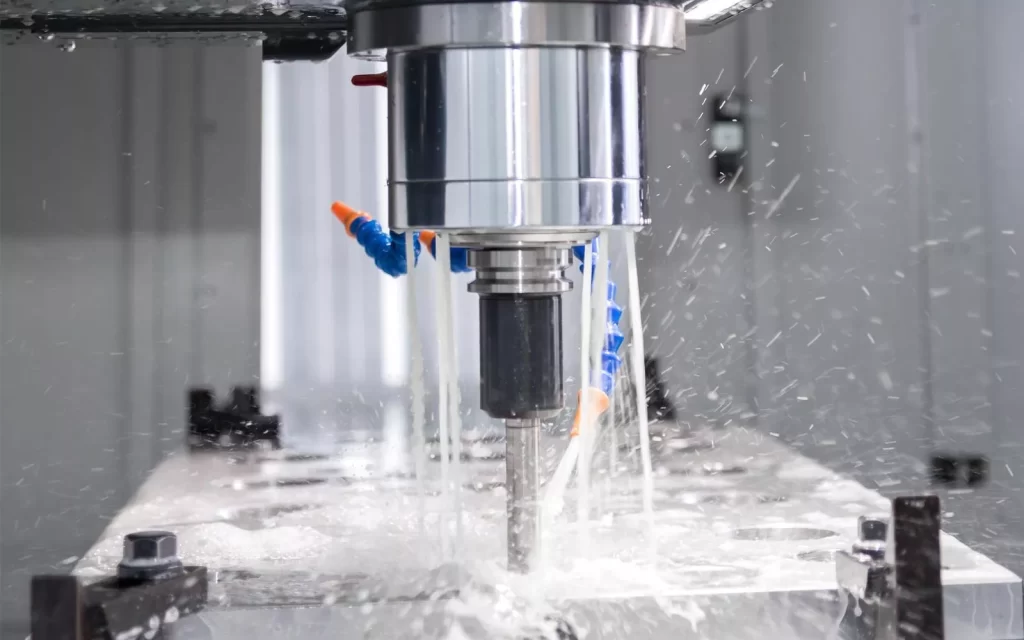

In this guide, we will explore the key aspects of aluminum CNC machining, covering the basics, the advantages of aluminum, commonly used aluminum alloys, machining techniques, as well as key considerations, cost analysis, applications, supplier selection, and future trends.
This guide is designed to help beginners quickly and comprehensively understand aluminum CNC machining. If you’re a professional, we’d appreciate your feedback—feel free to share any thoughts or suggestions in the comments section. Let’s get started!
What is Aluminum CNC Machining
Aluminum CNC machining is a manufacturing process that combines the use of aluminum as a raw material with Computer Numerical Control (CNC) technology to produce precise and complex parts.
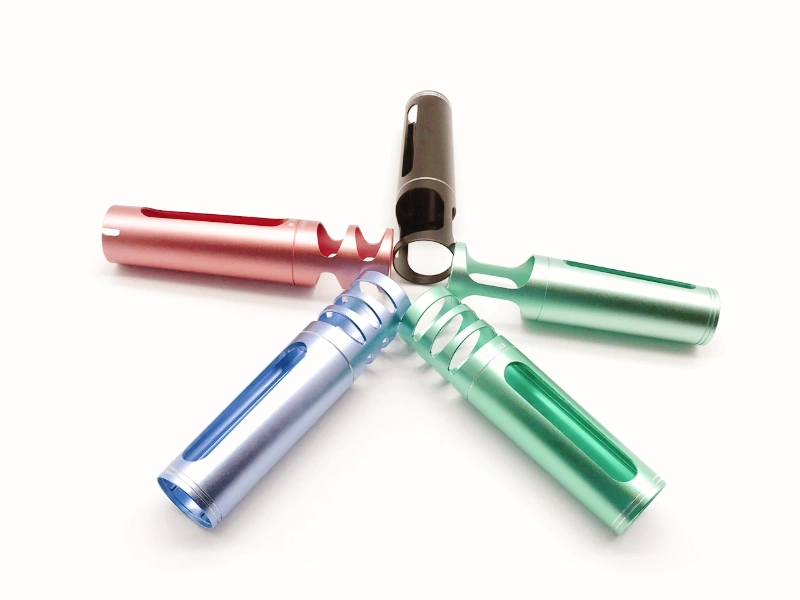
Properties and Advantages of Aluminum
Aluminum is a remarkable lightweight metal with a density approximately around 2.7 g/cm³. It presents an outstanding strength-to-weight ratio, which renders it an extremely popular choice across multiple industries. In the aerospace sector, for instance, the utilization of aluminum alloys plays a pivotal role in substantially slashing the overall weight of aircraft. This weight reduction not only meets the critical need for minimizing load but also leads to enhanced fuel efficiency without any compromise on the structural integrity that is vital for flight safety.
Simultaneously, its excellent thermal and electrical conductivity makes it highly valuable in electronics. Aluminum parts, such as the commonly used heat sinks in computer CPUs, effectively dissipate the heat generated by components, preventing overheating and ensuring reliable operation.
Aluminum also possesses a certain degree of natural corrosion resistance, and this inherent trait can be significantly augmented through diverse surface treatments like anodizing. Consequently, it becomes well-suited for applications in challenging environments, including outdoor and marine settings.
In the realm of CNC machining, aluminum is highly prized due to its unique combination of qualities. Its strength-to-weight ratio makes it a top contender for applications where shedding weight while maintaining strength is of utmost importance. The high conductivity for both heat and electricity allows for efficient energy transfer. The recyclability of aluminum dovetails perfectly with the growing emphasis on sustainable manufacturing, reducing environmental impact. Moreover, the extensive array of available aluminum alloys offers manufacturers the flexibility to customize the material to precisely match specific mechanical and physical property demands, facilitating the production of a wide variety of high-quality components.
Material Selection for Aluminum CNC Machining
In aluminum CNC machining, pure aluminum or aluminum alloys are usually selected as the processing materials based on specific requirements. Subsequently, various factors such as the characteristic differences between them and common types of aluminum alloys need to be comprehensively considered to ensure that the material selection precisely meets the processing requirements.
What are Aluminum alloys
Aluminum alloys are materials mainly composed of aluminum with other elements added to modify its properties. They typically have aluminum as the base metal, usually over 90% in many cases, and alloying elements like copper, magnesium, silicon, manganese, and zinc. These alloys are classified by series based on the main alloying elements and also by heat – treatability. Different series such as 1000 – series (nearly pure aluminum with excellent corrosion resistance and conductivity), 2000 – series (with copper for high strength), and 7000 – series (with zinc for very high strength) have distinct characteristics. Their properties include enhanced strength, good formability, and improved corrosion resistance compared to pure aluminum. They’re used in a wide range of applications including aerospace for components like wings and fuselage, automotive for engine blocks and wheels, and construction for window frames and structural parts due to their ability to provide strength, be shaped easily, and resist corrosion.
Common types of Aluminum Alloy and Their Characteristics
| Aluminum Alloy Series | Main Alloying Elements | Characteristics | Typical Applications | Heat Treatment Response | Machinability | Surface Treatment Options |
|---|---|---|---|---|---|---|
| 1000 Series | High purity (almost pure aluminum) | Excellent corrosion resistance, high electrical conductivity, good workability. Soft and ductile. | Chemical equipment, reflectors, food industry containers, electrical conductors. | Little to no response as it’s close to pure aluminum. Heat treatment doesn’t significantly alter properties. | Easy to machine due to its soft nature. Produces continuous chips. | Anodizing for improved corrosion and appearance. Chemical conversion coatings. |
| 2000 Series | Copper | High strength, especially after proper heat treatment. Limited corrosion resistance compared to some series. | Aircraft structures, rivets, truck wheels, screw machine products. Critical components where strength is paramount. | Responds well to heat treatment like solution heat treatment and aging. Can achieve significant strength increase. | Moderate machinability. Copper content can cause tool wear. Chips may be more fragmented. | Anodizing. Special coatings to enhance corrosion protection in harsh environments. |
| 3000 Series | Manganese | Good workability, moderate strength, excellent corrosion resistance. Good formability for complex shapes. | Cookware, automotive trim, roofing, siding. Consumer products and building components. | Somewhat responsive to cold working to enhance strength. Heat treatment has limited impact on overall properties. | Fairly easy to machine. Produces relatively smooth chips. | Anodizing, painting for decorative and protective purposes. |
| 4000 Series | Silicon | Low melting point characteristics, which aids in brazing and welding processes. | Brazing alloys, welding wires. Essential for joining other metals. | Not typically heat treated for mechanical property improvement. Focus is on its low melting trait. | Machinability depends on specific alloy within series. Can be challenging due to silicon content in some cases. | May not require extensive surface treatment as it’s mainly for internal use in joining. |
| 5000 Series | Magnesium | Good corrosion resistance, moderate-to-high strength, good weldability. Maintains strength in marine environments. | Marine applications, tankers, structural applications, pressure vessels. Anywhere saltwater or corrosive exposure is a concern. | Can be heat treated to some extent to optimize properties. Cold working also beneficial. | Good machinability. Produces chips similar to other moderately hard alloys. | Anodizing, epoxy coatings for enhanced durability and corrosion defense. |
| 6000 Series | Magnesium and Silicon | Medium strength, good corrosion resistance, excellent formability, weldability. Versatile for various fabrication methods. | Architectural extrusions, frames, railings, automotive parts. Widely used in construction and automotive industries. | Highly responsive to heat treatment. Can be tailored to achieve desired strength and formability combinations. | Easy to machine, making it popular for complex part production. Chips are manageable. | Anodizing, powder coating for decorative and long-lasting finishes. |
| 7000 Series | Zinc | Very high strength, even surpassing many other series after heat treatment. Relatively lower corrosion resistance than some, but can be mitigated with proper coatings. | Aircraft structures, sporting equipment, automotive parts. High-performance applications demanding extreme strength. | Requires precise heat treatment schedules to reach peak strength. Aging process is crucial. | Machinability is moderate. High strength makes it tougher to cut, and tool wear can be an issue. | Anodizing, hard anodizing to protect against wear and corrosion. Specialized coatings for aerospace and sports use. |
| 8000 Series | Various elements like lithium and iron | Varies depending on specific alloy composition. Some may offer unique combinations of properties like improved electrical conductivity or specific thermal characteristics. | Electrical wire applications (e.g., 8176 aluminum), specialty components where custom properties are needed. | Depends on the alloy. Some may benefit from heat treatment, while others are designed for as-cast or minimally processed uses. | Machinability ranges from easy to more challenging based on the elements present. | Standard surface treatments like anodizing if needed for corrosion or appearance. |
Factors to Consider in Material Selection
When choosing an aluminum alloy for CNC machining, several factors come into play. The specific application of the part dictates the required mechanical properties, such as strength, hardness, and toughness. For instance, aerospace components demand high strength and lightweight characteristics, while electronic enclosures may require good thermal conductivity and formability. The machinability of the alloy is also crucial, as it affects the ease and efficiency of the machining process. Additionally, cost considerations, including the price of the raw material and the cost associated with its processing, must be balanced against the performance requirements of the part.
Aluminum CNC Machining Processes
CNC Milling
CNC milling is a versatile process in aluminum machining. It involves rotating a multi-point cutting tool along its axis while the workpiece remains stationary. The cutter gradually removes material from the aluminum workpiece at a controlled rate, following a programmed path. This process allows for the creation of complex shapes and features with high precision. It is commonly used to manufacture parts with intricate geometries, such as molds, mechanical components, and aerospace parts. The ability to precisely control the cutter’s movement in multiple axes enables the production of highly accurate and detailed parts.
CNC Turning
In CNC turning, the workpiece rotates while a single-point cutting tool moves along its axis to remove material. This process is particularly efficient for producing cylindrical or rotational parts, such as shafts, bushings, and discs. The precision of CNC turning ensures excellent dimensional accuracy and surface finish of the turned parts. It is widely used in the manufacturing of components for various industries, including automotive, aerospace, and machinery, where the quality of rotational parts is of utmost importance.
CNC Drilling
CNC drilling is used to create holes in aluminum workpieces. A rotating multi-point cutting tool of a specific diameter is moved perpendicular to the workpiece to remove material and form a hole. This process is essential for applications that require assembly using bolts, screws, or rivets. It is commonly used in the fabrication of mechanical parts, electronics housings, and automotive components to create mounting holes, through-holes, and threaded holes with high accuracy.
Key Considerations in Aluminum CNC Machining
Tool Selection
The choice of cutting tools is critical in aluminum CNC machining. Carbide tools are highly recommended due to their hardness and wear resistance, which significantly extend tool life. For certain applications, such as high-precision machining or when dealing with high-silicon aluminum alloys, polycrystalline diamond (PCD) tools may be preferred. The geometry of the tool, including the rake angle, clearance angle, and helix angle, plays a crucial role in determining the cutting performance. Appropriate tool geometry helps reduce cutting forces, minimize heat generation, and improve surface finish. For example, a positive rake angle facilitates easier chip formation and reduces cutting forces, but it should be optimized to avoid compromising tool strength.
Optimization of Cutting Parameters
Cutting speed, feed rate, and depth of cut have a profound impact on the machining outcome. Aluminum’s relatively low melting point requires careful consideration of cutting speed. While higher speeds can enhance productivity, excessive speeds can lead to overheating of the workpiece and tool, resulting in poor surface finish and premature tool wear. The feed rate affects the material removal rate and surface quality. A proper feed rate ensures efficient machining without causing vibrations or surface defects. The depth of cut should be optimized to balance material removal efficiency and tool life. It is essential to refer to recommended cutting parameter ranges for different aluminum alloys and adjust them based on the specific machining conditions, such as the type of machine, tooling, and workpiece requirements.
Use of Coolant
Coolant is indispensable in aluminum CNC machining. It serves multiple functions, including cooling the tool and workpiece to dissipate heat generated during cutting, thereby reducing the risk of thermal deformation. The lubricating properties of coolant minimize friction between the tool and workpiece, extending tool life and improving surface finish. Additionally, coolant helps flush away chips, preventing chip clogging and ensuring smooth machining operations. Common types of coolants include water-soluble and oil-based coolants. Water-soluble coolants offer good heat dissipation and are cost-effective, making them suitable for general aluminum machining. Oil-based coolants, on the other hand, provide excellent lubrication and are preferred for high-precision and high-speed machining applications, although they are more expensive and require careful handling and disposal.
Prevention of Machining Deformation
Aluminum is prone to deformation during machining due to its relatively low modulus of elasticity and high thermal conductivity. The rapid heat generated during cutting can cause uneven expansion and contraction of the workpiece, leading to dimensional inaccuracies and shape distortion. To mitigate this issue, several measures can be taken. Optimizing the part design to have uniform wall thicknesses and smooth transitions helps distribute stress evenly. Sequencing the machining operations appropriately, such as performing roughing cuts first to remove most of the material and then finishing cuts to achieve the final dimensions, can reduce the accumulation of internal stresses. Employing proper fixturing and clamping techniques is crucial to enhance workpiece rigidity and stability during machining. Additionally, controlling the cutting parameters to minimize heat generation and cutting forces can further prevent deformation.
Surface Treatment and Post-Processing
After aluminum CNC machining, various surface treatment methods can be applied to enhance the performance and appearance of the parts. Anodizing is a popular surface treatment that forms a hard, corrosion-resistant oxide layer on the aluminum surface. It not only improves corrosion resistance but also allows for coloring, providing aesthetic and functional benefits. Chemical conversion coating, electroplating, painting, and powder coating are other common surface treatment options, each offering unique characteristics. These treatments can enhance the part’s resistance to wear, corrosion, and environmental factors, while also imparting desired colors and finishes. Post-processing operations such as deburring, polishing, and inspection are essential to ensure the quality and functionality of the final product. Deburring removes sharp edges and burrs left after machining, improving the safety and aesthetics of the part. Polishing further refines the surface finish, achieving the desired smoothness and luster. Inspection processes, including dimensional measurement and surface quality assessment, ensure that the parts meet the specified requirements.
Cost Analysis in Aluminum CNC Machining
Cost Components
- Raw Material Cost: The cost of aluminum varies depending on the alloy grade, purity, and form (sheet, bar, tube, etc.). Higher-quality alloys or specialized forms may be more expensive. Market fluctuations in aluminum prices also impact the raw material cost. For example, aerospace-grade 7075 aluminum is typically more costly than common 6061 aluminum.
- Machine and Equipment Cost: The initial investment in CNC machines is significant, and depreciation costs over time contribute to the overall machining cost. Maintenance, repair, and energy consumption of the machines are ongoing expenses. Additionally, the cost of cutting tools, which wear out over time and need replacement, adds to the equipment-related costs. High-performance machines with advanced features may have higher acquisition and operating costs but can offer greater precision and productivity.
- Labor Cost: Skilled CNC machine operators command higher wages due to their expertise in programming, operating, and maintaining the machines. The complexity of the machining operations and the time required for setup, programming, and running the jobs influence the labor cost. Training programs for operators also incur costs but can lead to improved efficiency and reduced errors in the long run.
- Design Complexity: Complex part designs demand more intricate programming, multiple setups, and specialized tooling, all of which increase the machining cost. Intricate geometries, tight tolerances, and unique features require additional machining time and effort. Design optimization can help reduce complexity and associated costs without sacrificing functionality.
- Part Quantity: Small production runs often incur higher costs per part due to setup time, tooling costs, and the inability to take advantage of economies of scale. Larger quantities can spread these costs over more parts, reducing the unit cost. However, large orders may also require additional inventory management and capital investment.
Cost Control Strategies
- Raw Material Cost Reduction: Establishing long-term relationships with reliable suppliers can lead to favorable pricing and consistent material quality. Careful selection of aluminum alloys based on the part’s requirements can avoid over-specification and unnecessary cost. Designing parts to minimize material waste through efficient nesting and layout optimization is also beneficial.
- Efficient Production Planning: Scheduling jobs to maximize machine utilization reduces idle time and spreads fixed costs over more production hours. Regular maintenance and calibration of machines ensure optimal performance and minimize downtime due to breakdowns. Selecting appropriate cutting parameters that balance speed and tool life can improve productivity and reduce energy consumption.
- Operator Skill Enhancement: Investing in operator training programs increases their proficiency in programming, tool selection, and process optimization. Skilled operators can reduce setup times, improve machining accuracy, and minimize scrap, ultimately lowering labor and material costs. Encouraging operators to contribute process improvement ideas can lead to more efficient machining methods.
- Design for Manufacturability: Simplifying part designs by reducing unnecessary features, using standard geometries, and considering the capabilities of the machining process can significantly cut costs. Designing for easy fixturing and machining access can also streamline production. Computer-aided design and manufacturing (CAD/CAM) software can assist in simulating the machining process and identifying potential design issues early on.
Applications of Aluminum CNC Machined Parts
Aerospace Industry
Aluminum CNC machining is extensively used in the aerospace sector. Components such as aircraft fuselage structures, wing spars, engine parts, and landing gear components are fabricated from aluminum alloys. The high strength-to-weight ratio of aluminum is crucial for reducing the overall weight of the aircraft, which in turn improves fuel efficiency and flight performance. The ability to manufacture complex shapes with tight tolerances ensures the structural integrity and reliability of aerospace components. For example, the precision machining of turbine blades and engine housings is essential for optimal engine performance.
Automotive Manufacturing
In the automotive industry, aluminum CNC machining is employed in various applications. Engine blocks, cylinder heads, pistons, transmission housings, and wheels are among the components that benefit from the lightweight and corrosion-resistant properties of aluminum. Lightweighting of vehicles using aluminum parts contributes to improved fuel economy and reduced emissions. The high precision of CNC machining enables the production of engine components with tight tolerances, ensuring efficient engine operation and durability. Additionally, aluminum’s formability allows for the creation of aesthetically pleasing and aerodynamic designs.
Electronic Equipment
The electronics industry relies on aluminum CNC machining for the production of consumer electronics and industrial equipment. Laptop housings, smartphone frames, tablet cases, and electronic heat sinks are commonly made from aluminum. Aluminum’s excellent thermal conductivity helps dissipate heat generated by electronic components, ensuring their reliable operation. The ability to achieve smooth and precise surface finishes through machining is also important for the cosmetic appearance of electronic devices. Moreover, aluminum’s non-magnetic properties are beneficial in certain electronic applications where magnetic interference needs to be minimized.
Machinery and Equipment Manufacturing
Aluminum CNC machining is widely used in the machinery and equipment manufacturing industry to produce a diverse range of parts. These include mechanical components such as gears, shafts, bearings, and housings, as well as fixtures, jigs, and molds. The versatility of CNC machining allows for the production of complex and customized parts with high precision and repeatability. Aluminum’s lightweight nature is advantageous in applications where weight reduction is desired, such as in the manufacturing of robots and automated machinery.
Other Industries
Aluminum CNC machined parts find applications in numerous other industries. In the medical field, aluminum is used for surgical instruments, medical device housings, and prosthetics due to its biocompatibility and lightweight properties. In the architectural and construction industry, aluminum CNC machining is used to fabricate decorative elements, window frames, and structural components. The sports equipment industry utilizes aluminum for manufacturing bicycles, golf clubs, and athletic gear due to its combination of strength and lightness. Additionally, the marine and shipbuilding industries employ aluminum for various components due to its corrosion resistance in saltwater environments.
Selecting a Suitable Aluminum CNC Machining Service Provider
Consideration Factors
- Experience and Expertise: A provider with a proven track record in aluminum CNC machining and a diverse portfolio of successfully completed projects demonstrates the ability to handle complex machining requirements. Experience in specific industries, such as aerospace or automotive, indicates a deeper understanding of the stringent quality and performance standards in those sectors.
- Equipment Capabilities and Capacity: State-of-the-art CNC machines with advanced features, such as high spindle speeds, multi-axis capabilities, and precision tooling systems, are essential for achieving high-quality machining results. Sufficient machine capacity ensures timely completion of orders, especially for large or urgent projects. The availability of a wide range of tooling and the ability to maintain and upgrade equipment are also important considerations.
- Quality Control System and Certifications: A robust quality control system, including in-process inspection, final inspection using precision measuring equipment, and adherence to international quality standards such as ISO 9001 and AS9100 (for aerospace applications), provides assurance of consistent and high-quality parts. Certifications validate the provider’s commitment to quality and compliance with industry regulations.
- Delivery Time and Flexibility: Meeting delivery deadlines is crucial for maintaining production schedules. A reliable provider should have a well-organized production process and the ability to handle rush orders or accommodate changes in order quantities and specifications. Flexibility in production planning and the ability to adapt to unforeseen circumstances are valuable assets.
- Communication and Collaboration: Effective communication channels between the service provider and the client are essential for understanding project requirements, providing progress updates, and addressing any concerns promptly. A collaborative approach that involves the client in the machining process, from design review to final inspection, helps ensure that the end product meets expectations.
Evaluation Methods
- Review of Customer Cases and References: Requesting and reviewing case studies and customer references provides insights into the provider’s past performance, including the quality of machined parts, adherence to delivery schedules, and customer satisfaction levels. Contacting previous clients can offer a more in-depth understanding of their experiences working with the provider.
- On-Site Factory Inspection: Visiting the machining facility allows for a firsthand assessment of the production environment, equipment condition, operator skills, and quality control processes. Observing the actual machining operations and the organization of the shop floor can provide valuable information about the provider’s capabilities and attention to detail.
- Sample Evaluation: Obtaining and evaluating sample parts machined by the provider gives a direct indication of their machining accuracy, surface finish quality, and dimensional consistency. Testing the samples for mechanical properties and functionality can further assess their suitability for the intended application.
- Price Comparison and Transparency: Comparing quotes from multiple providers should not be solely based on price but also on the comprehensiveness and transparency of the cost breakdown. Understanding the factors that contribute to the price, such as material costs, machining operations, and any additional fees, helps in making an informed decision and ensures that there are no hidden costs.
Future Trends in Aluminum CNC Machining
Technological Innovations
The field of aluminum CNC machining is continuously evolving with technological advancements. High-speed machining techniques are being refined to further reduce cycle times while maintaining or improving machining quality. The development of more advanced multi-axis machining capabilities enables the production of even more complex geometries with a single setup, increasing productivity and precision. Additionally, the integration of artificial intelligence and machine learning in CNC machining is on the horizon, with the potential to optimize cutting parameters in real-time, predict tool wear, and improve overall process efficiency.
Sustainable Development
Sustainability is becoming an increasingly important aspect of manufacturing, and aluminum CNC machining is no exception. The high recyclability of aluminum makes it an environmentally friendly choice, and efforts are underway to further improve recycling processes and increase the use of recycled aluminum in machining. Additionally, the development of energy-efficient CNC machines and the adoption of sustainable manufacturing practices, such as the use of eco-friendly coolants and optimized machining strategies to reduce waste, are trends that will gain momentum in the future.
Expansion of Industry Applications
As technology progresses and industries evolve, the applications of aluminum CNC machining are expected to expand. The growth of emerging industries such as electric vehicles, renewable energy, and 5G communications will drive the demand for high-quality aluminum components with complex geometries and tight tolerances. In the electric vehicle sector, for example, the need for lightweight yet strong parts to improve battery range and vehicle performance will fuel the use of aluminum CNC machining. Moreover, the trend towards miniaturization and increased functionality in electronics will require more precise and intricate aluminum parts. Additionally, the development of new aluminum alloys with enhanced properties, such as improved strength, corrosion resistance, and formability, will open up new possibilities for applications in various industries.
The integration of aluminum CNC machining with additive manufacturing (3D printing) is another area of potential growth. Hybrid manufacturing processes that combine the strengths of both technologies can offer unique solutions for creating complex parts with internal features and optimized geometries. This integration could lead to more efficient production methods and the ability to produce parts that were previously difficult or impossible to manufacture using traditional methods alone.
Furthermore, the increasing focus on customization and personalization in consumer products will drive the demand for flexible manufacturing processes, such as aluminum CNC machining. The ability to quickly produce small batches of customized parts with high quality and short lead times will be a key competitive advantage for manufacturers in various industries.
Magnesium Alloys Vs Aluminum Alloys
Magnesium alloys are showing a trend of replacing aluminum alloys in certain fields.
Advantages of Magnesium Alloys
- Lightweight Feature: One of the most prominent advantages of magnesium alloys is their low density. Given the same volume, magnesium alloys are much lighter than aluminum alloys, which can effectively cut down the weight of equipment or products. This is of great significance in weight-sensitive fields such as aerospace and automotive manufacturing.
- Good Specific Strength and Stiffness: Although the absolute strength of magnesium alloys may be lower than that of some aluminum alloys, due to their low density, they have relatively high specific strength (the ratio of strength to mass). This implies that with the same weight, magnesium alloys can offer strength and stiffness comparable to or even higher than those of aluminum alloys, thus meeting the strength and rigidity requirements of structural components.
- Excellent Damping Capacity: The damping ability of magnesium alloys is several times or even dozens of times that of aluminum alloys. They can absorb more energy when subjected to impact loads and exhibit excellent anti-vibration and noise reduction characteristics. Hence, they can be used to make components that require vibration and noise reduction, like car steering wheels and seats.
- Good Thermal and Electrical Conductivity: Despite having a lower thermal conductivity than aluminum alloys, magnesium alloys are dozens of times more conductive than plastics. They can effectively dissipate internal heat to the outside, making them suitable for heat dissipation components of electrical products, such as the housings and heat dissipation parts of computers and projectors.
- Superior Electromagnetic Shielding: Magnesium alloys have excellent electromagnetic shielding properties and can fully absorb electromagnetic interference with a frequency exceeding 100dB. They can meet the requirements of application scenarios with high electromagnetic shielding demands, like 3C products, and can even eliminate the need for the electroplating process of electromagnetic wave shielding films.
- Good Die Casting Properties: Magnesium alloys have a lower melting point than aluminum alloys and boast good die casting formability. The minimum wall thickness of die castings can reach as low as 0.5mm. They are capable of manufacturing components with complex shapes and can be integrally formed through the die casting process, which helps reduce post-processing costs.
Currently, due to constraints from multiple factors such as technical difficulties and process compatibility, it will still take some time for magnesium alloys to fully replace aluminum alloys, and they are still in the stage of continuous efforts to overcome difficulties.
Looking ahead to the future development trends, as the manufacturing industry keeps upgrading and the market penetration rate of medium and large-sized die-castings gradually increases, magnesium, as a material with great potential, is expected to be promoted to a “major metal”. It can be predicted that the application scope of magnesium alloys will continue to expand in multiple fields such as automotive manufacturing, robotics research and development, aerospace engineering, and 3C product manufacturing, gradually changing the pattern of traditional materials.
Thanks for reading till the end!
We hope it has helped you gain a deeper understanding of the key aspects of aluminum CNC machining, whether you’re just starting out or already have some experience. If you have more questions or thoughts on any topic, feel free to share them in the comments section. We’ll continue to bring you more insights and updates on CNC machining in the future. We look forward to exploring more of the CNC machining world with you!