
CNC Milling Service
Custom prototypes and end‑use parts—ready in as little as 1 day. We employ 3‑axis and 5‑axis indexed milling across 30+ engineering plastics and metals.
High-Precision Milling Expertise
Our CNC milling capabilities combine modern machinery with cost‑efficient strategies for short‑run parts requiring complex features and strict tolerances. The process accommodates virtually any 2D or 3D shape within tool reach. As a reliable CNC milling partner, Fuming tailors every job to your unique specifications—delivering precision without compromise. We are highly skilled in 3‑axis and 5‑axis milling, ready to take on your manufacturing or metal fabrication projects. From initial concept to fully functional product, we ensure rapid turnaround and on‑time delivery, no matter how demanding the production schedule.

CNC Milling Pricing Online
With 3‑axis, 4‑axis, 5‑axis, and right angle milling capabilities, we rapidly execute designs ranging from basic contours to intricate geometric forms. Fuming supplies instant quoting, dynamic lead times, and detailed DFM analysis on materials and processes for custom CNC milling—serving any industry. Upload your CAD files to our platform for an instant price and lead time. Once confirmed, we drive manufacturing forward with advanced, high‑precision equipment.
CNC Milling Solutions
Our CNC machining capabilities include both 3-axis, and 5-axis mills:
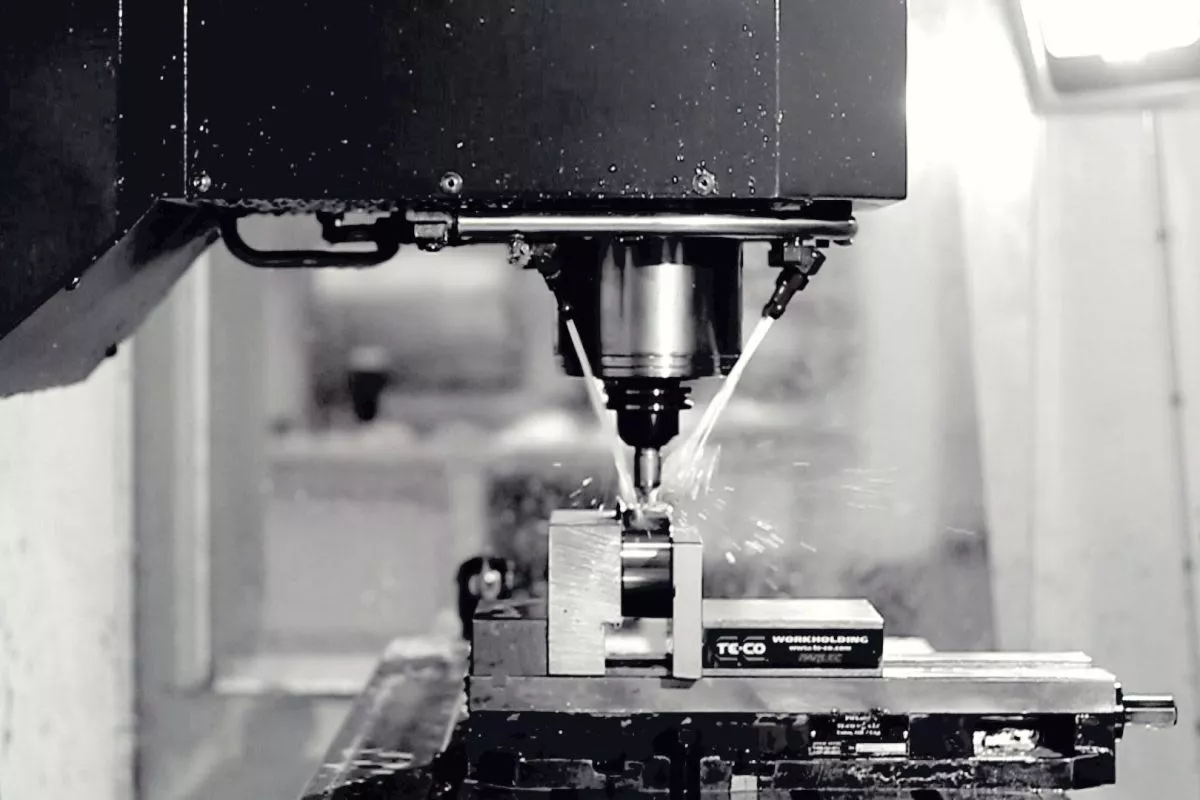
3‑Axis Precision Milling
A cost-effective, high-performance solution for your CNC milling needs. We machine complex geometries—including undercuts, threaded holes, sharp edges, and planar contours—while integrating multiple operations via automatic tool changers. Custom 3‑axis milling centers can also be configured to meet your specific requirements.
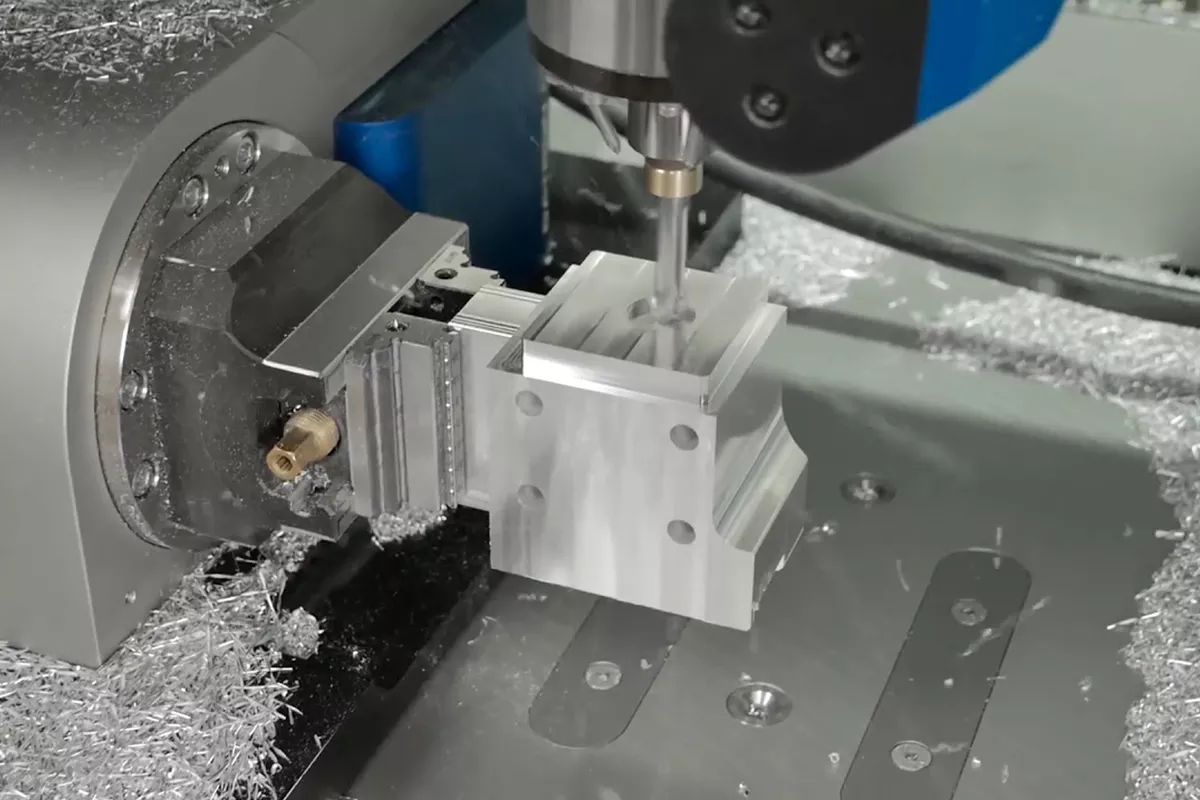
4‑Axis Machining Services
Produce more complex CNC milled parts with our 4‑axis capabilities. We deliver consistent precision and greater flexibility—even for intricate geometries. Cost‑effectively machine angled features that are impractical on 3‑axis systems. With added power, control, and accuracy, 4‑axis milling is the ideal next step.
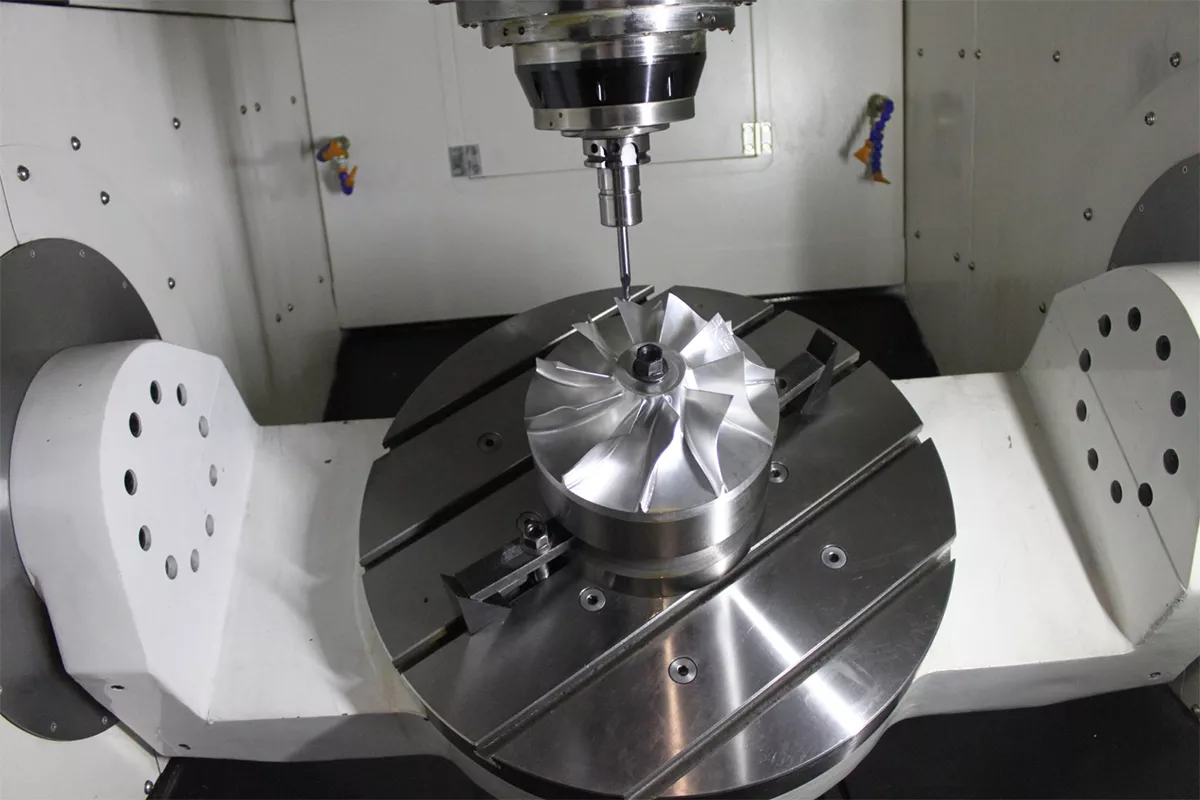
5‑Axis CNC Solutions
Machine complex custom CNC parts in a single setup. Our 5‑axis milling saves time, boosts efficiency, and reduces costs—helping you meet market demands faster and more economically. Achieve higher cutting speeds without excessive tool pressure. Ideal for rapid prototypes and low‑volume production with superior surface finishes.
CNC Milling Parts Gallery
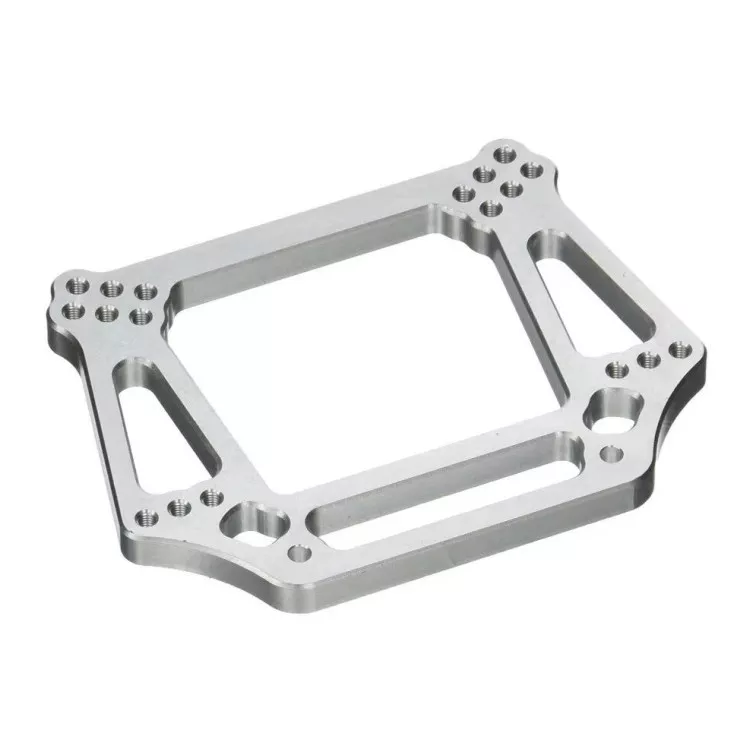
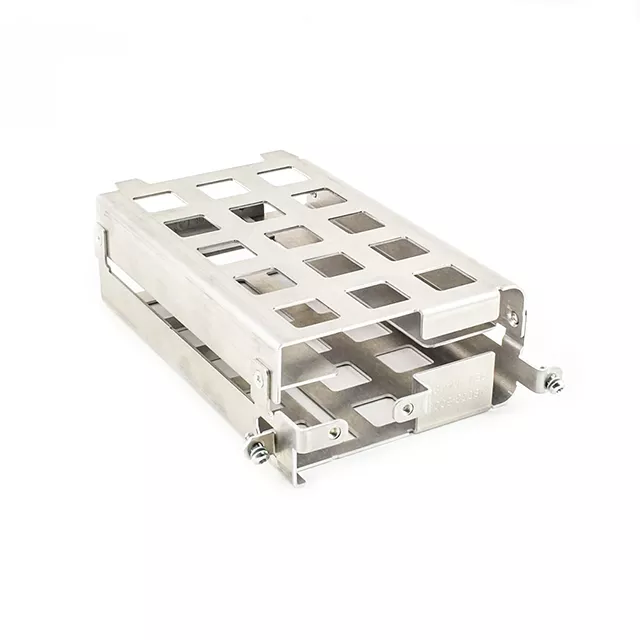
Browse our extensive gallery featuring precision‑milled prototypes and parts from our valued clients.
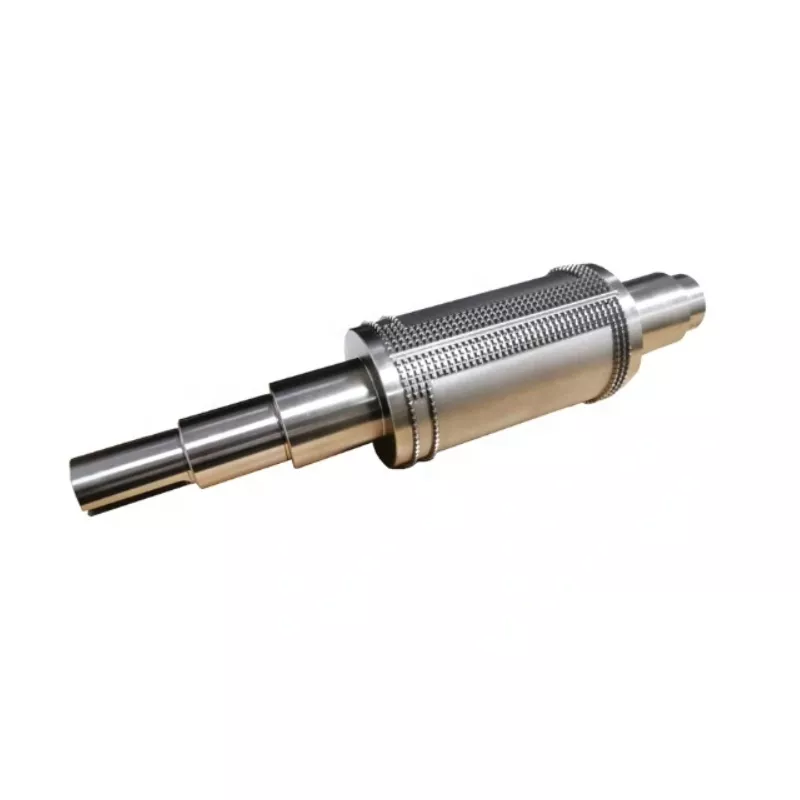
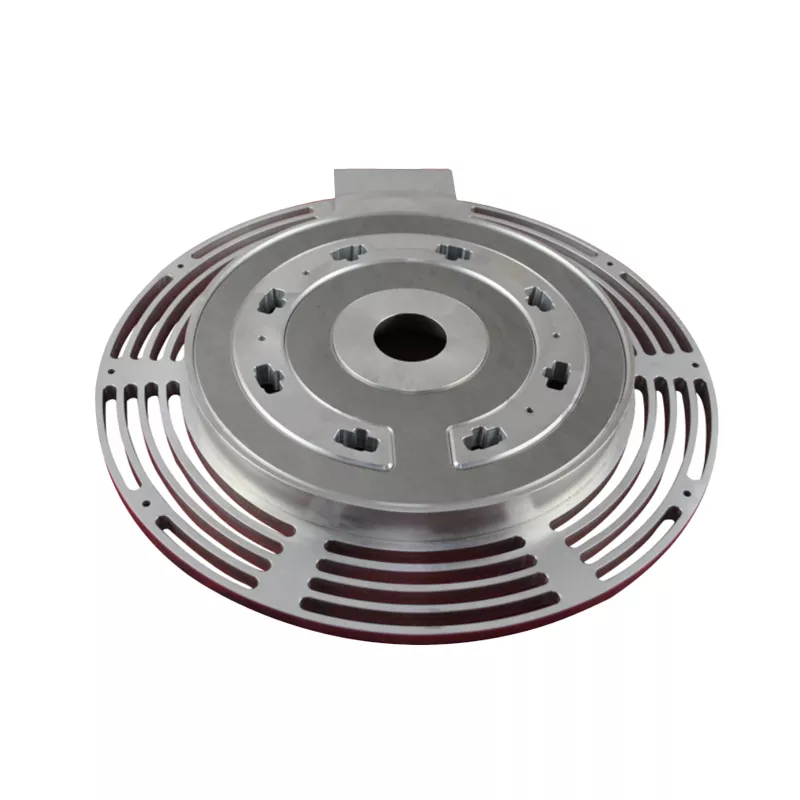
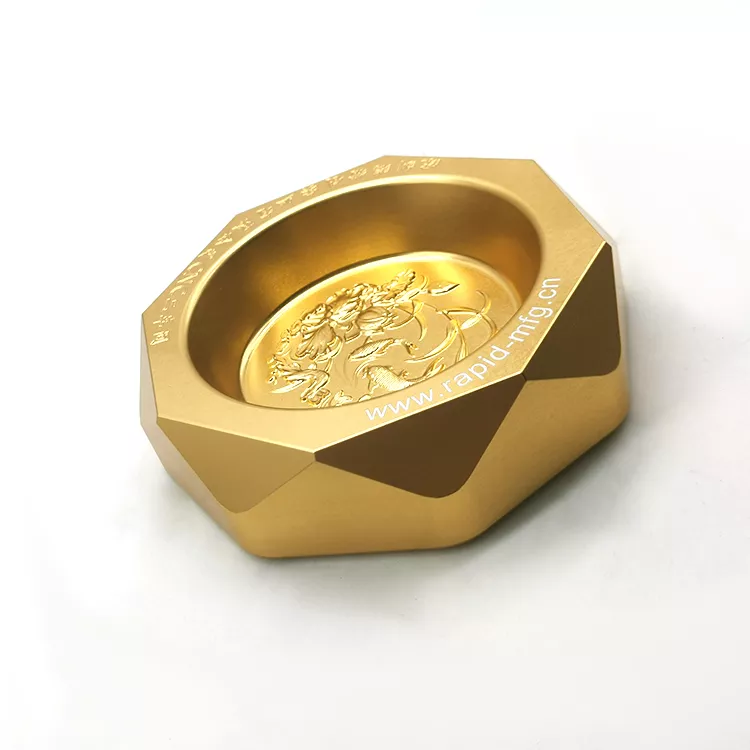
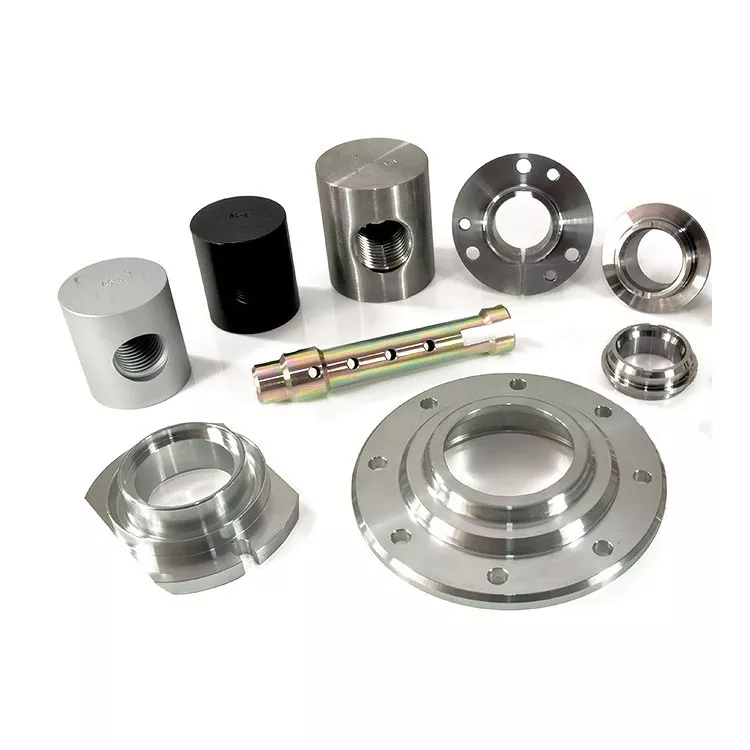

Ready to Bring Your Parts to Life with Fuming?
Use our platform for rapid quoting on prototypes and production components.
CNC Milling Explained
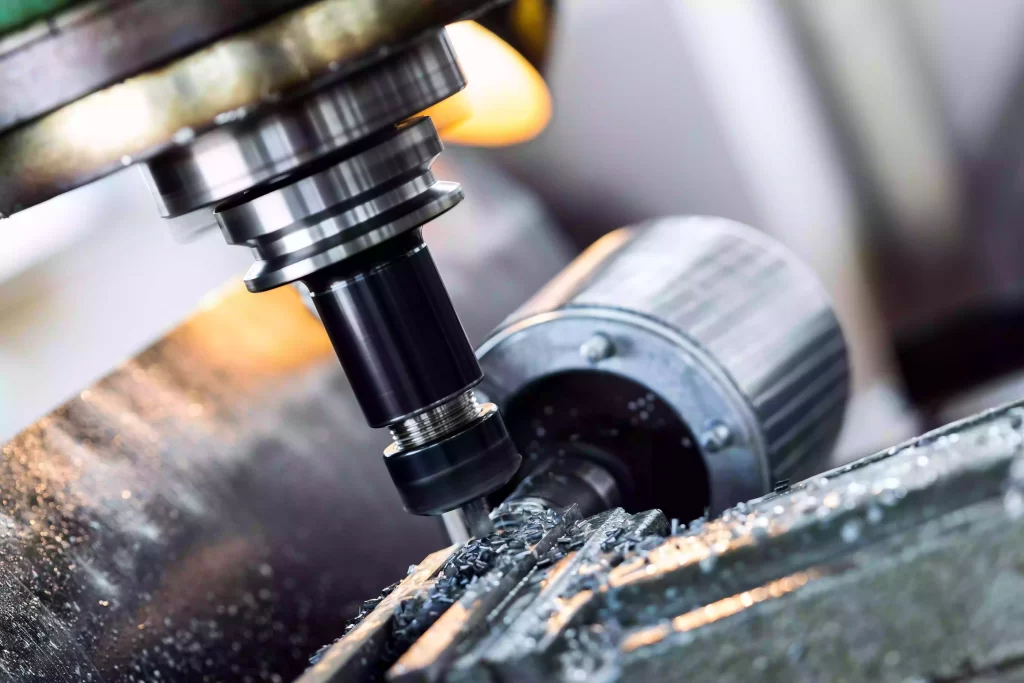
CNC milling is a subtractive machining process driven by computer code. Rotating tools carve material from a securely fixtured blank, shaping it along multiple axes to produce complex, high‑precision components.
Here’s how it works: place your CAD files on our instant quote platform, fine‑tune your design and material with our engineers, and we’ll take your project from file to floor with speed and accuracy.
Applications of CNC Milling
CNC milling is versatile enough for both singular custom parts and volume output—typical applications include:
Tooling
Fabricate precision components with intricate cuts and angled surfaces using multiple cutting, drilling, and turning tools.
Specialty Manufacturing
Precision CNC milling creates robust, specialty components in metals and plastics—capabilities that set it apart from conventional processes.
Mid-to-High Volume Runs
CNC milling is especially valuable in high‑volume runs, enabling fast automation and lower costs.
Metal Part Production
CNC milling enables the safe production of superior metal parts, consistently holding exceptional tolerances.
Hybrid manufacturing
CNC milling works not only on metal, but also on molded and 3D printed parts.
Rapid prototyping
CNC milling delivers rapid, automated prototyping with precision and repeatability.
CNC Milling Accuracy & Specifications
| Description | General Tolerance or Standard |
|---|---|
Maximum Part Size | Milled parts up to 80” x 48” x 24” (2,032 x 1,219 x 610 mm). |
Distance Dimensions | For features of size (Length, width, height, diameter) and location (position, concentricity, symmetry) +/- 0.005”. |
Orientation and Form Dimensions | Standard tolerances: ±0.005″ on 0–12″ lengths, angularity held to 0.5°. For parts exceeding 24″, consult Fuming Manufacturing Standards. |
Precision Tolerances | Fuming holds sub‑±0.001″ tolerances where specified, with full inspection to drawing standards and GD&T. |
Minimum Feature Size | 0.020” (0.50 mm). This may vary depending on part geometry and chosen material. |
Threads and Tapped Holes | Fuming can produce any standard thread. Custom threads are available upon manual quote evaluation. |
Surface Finish | Parts ship with an as‑machined finish—125 Ra or better. Alternate finishes may be requested during quoting. |
Edge Condition | Sharp edges are routinely deburred and eased. For edges that require a sharp condition, please call this out explicitly on your engineering drawing. |
CNC Machining Materials
Over 30 engineering‑grade plastic and metal materials in stock, suited to a wide range of applications.
Plastics
- ABS
- Acetal
- CPVC
- HDPE
- LDPE
- Nylon
- PEEK
- PEI
- PET
- PMMA
- Polycarbonate
- Polypropylene
- POM (Delrin)
- PPSU
- HIPS
- PSU
- PTFE
- PVC
Metals
- Aluminum
- Brass
- Copper
- Stainless Steel
- Alloy Steel
- Steel Mild Low Carbon
- Titanium
The Advantages of CNC Milling
Fuming combines the latest CNC technology with rapid production—precision parts ready in as little as 24 hours. Instant online quotes further accelerate your procurement process.
Experts in tight‑tolerance machining, we hold sub‑±0.001″ and deliver parts that are custom‑made and ready to use.
CNC machining is perfect for prototyping and high‑volume production alike. Fuming’s massive infrastructure supports scaling from pilot runs to 100,000+ components.
Select from 50+ engineering‑grade metals and plastics, fully certified and in stock.
Surface Treatment for CNC Milling
Access quality surface finishing for custom CNC milled parts—removing cosmetic flaws and enhancing appearance while adding durable protection, strength, and resistance.
- Bead Blasting: Glass beads are pressure‑blasted onto the surface for a uniform satin or matte appearance.
- Powder Coating: After chromate or phosphate priming, dry powder is electrostatically applied and heat‑cured—creating a durable, wear‑resistant finish.
- Anodizing: An electrochemical process that thickens the natural oxide layer. The part acts as an anode in an acid bath; current fuses oxygen ions to the metal, increasing density, hardness, and electrical insulation.
- As‑Milled: Parts are used directly after machining, retaining visible tool marks and as‑cut surface texture.
- Surface Grinding: A rotating abrasive wheel removes material to achieve fine surface finishes and exact dimensional specifications.
- Painting: Enhances appearance and protection through powder, liquid, or e‑coating methods. Powder coating bonds electrostatically; liquid coating is sprayed or brushed; e‑coating uses electrical charge to deposit paint evenly.
- Polishing: Enhances dimensional accuracy and delivers a mirror‑gloss finish using abrasive tools and polishing compounds.
- Passivation: Boosts corrosion resistance through spray application, chemical circulation, gel coating, or immersion in solution.
- Chemfilm: A chemical conversion coating that protects aluminum and prepares it for organic finishes—applied by dip, brush, or spray.
- Vacuum Metallization: Deposits metal vapor onto parts in a sealed chamber, creating a decorative mirror finish and improving barriers against heat, air, light, or moisture.
- Silkscreen: Transfers designs or logos via mesh stencil; ink passes through permeable areas while blocked sections remain uncoated.
- Plating: Adds corrosion/abrasion resistance, conductivity, and reflectivity. Electroplating submerges the part in an electrolyte bath; an electric current bonds a uniform metal layer.
- Tumbling: Removes sharp edges and refines surfaces by rotating parts in a barrel with media, water, and detergent—speed adjusted for desired finish.
Industrial Applications of Our CNC Milling
CNC milling parts are extensively applied in numerous fields. Through cutting‑edge facilities and refined CNC techniques, we achieve rapid, precision‑driven part production.
Energy
Image Accordion Content Goes Here! Click edit button to change this text.
The Difference: CNC Milling and CNC Turning
CNC milling and turning both produce accurate components from various materials. The primary distinction: milling spins the cutter; turning spins the stock. Turning excels at cylindrical geometries—shafts, rollers, and curved pins. Standard milling machines employ three axes; basic lathes use two. On a mill, the cutter travels vertically as the bed moves in X and Y. On a lathe, the tool traverses along and across the workpiece. This two‑axis limitation restricts conventional turning to round, symmetrical shapes. Complex prismatic parts—like housings or brackets—require milling. That said, live‑tooling lathes and multi‑axis turning centers bridge the gap.