
Plasma Cutting Service
Fuming’s CNC plasma cutting services enable efficient and precise cutting of various metals to meet your exact design specifications. Whether you require a single part, a batch of prototypes, or a full production order, Fuming provides cost-effective cutting solutions tailored to your needs.
Affordable and Professional CNC Plasma Cutting Services
Fuming’s precision CNC plasma cutting service utilizes a state-of-the-art 400-amp plasma cutter to deliver high-quality plasma cut components. The system features full-contour beveling capability, saving both time and money by eliminating the need for secondary operations. This cost-effective and precise method cleanly cuts complex shapes from metal plates. Our plasma cutter handles thicker materials—including steel, mild steel, aluminum, and stainless steel—on an 11′ x 28′ burn table.
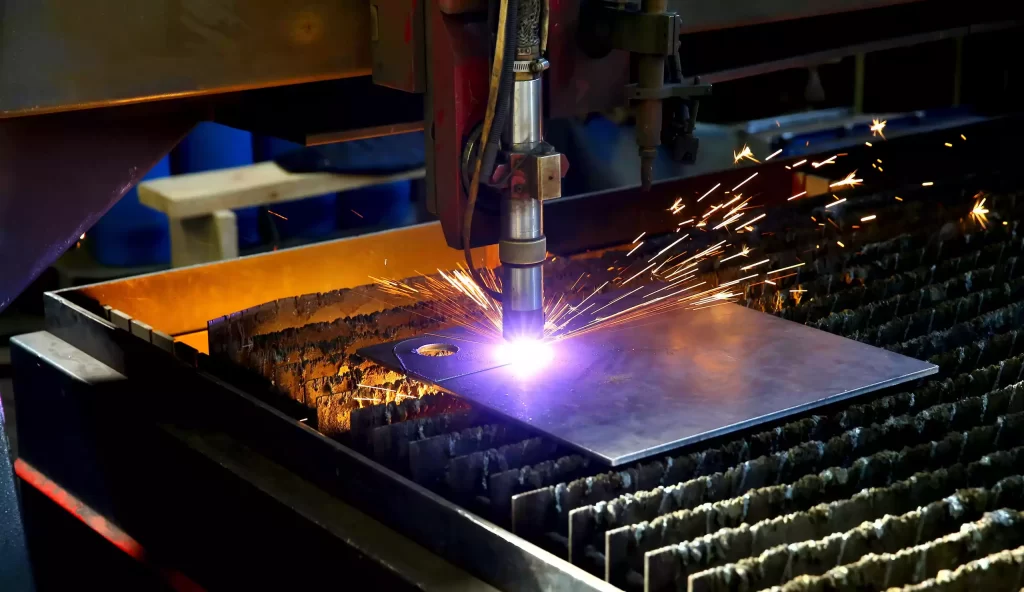
Custom Online Plasma Cutting Service
Fuming’s custom online plasma cutting service provides a cost-effective, on-demand fabrication solution for all your sheet metal needs. Through our Instant Quoting Engine, we deliver instant pricing for any production volume—from low-volume prototyping to high-volume runs. In addition to plasma cutting, Fuming also offers laser cutting and waterjet cutting services. Simply upload a 3D CAD file or DXF file to our Instant Quoting Engine to receive an immediate quote.
Plasma Cutting Materials
| Aluminum | Copper | Steel |
|---|---|---|
Aluminum 5052 | Copper 101 | Stainless Steel 301 |
Copper C110 | Stainless Steel 304 | |
Copper 260 (Brass) | Stainless Steel 316/316L | |
Steel, Low Carbon |
Our Plasma Cutting Solutions
Fuming delivers high-quality production tailored to specific project requirements, completed efficiently within competitive lead times. Our CNC plasma cutting machines accurately cut various metal materials up to 36 mm thick while operating at high speeds without compromising precision.
Our metal cutting services accommodate a range of plasma cutting needs, from large panels to smaller components in diverse designs and sizes. Our equipment can process materials up to 3000 mm x 1500 mm per single piece.
Plasma cut components can be produced as individual parts or, combined with our other service offerings, further processed through welding, assembly, and finished with galvanizing to create final products.
Fuming provides CNC plasma cutting services to a broad spectrum of industries, including mining, construction, public infrastructure, telecommunications, and agriculture.
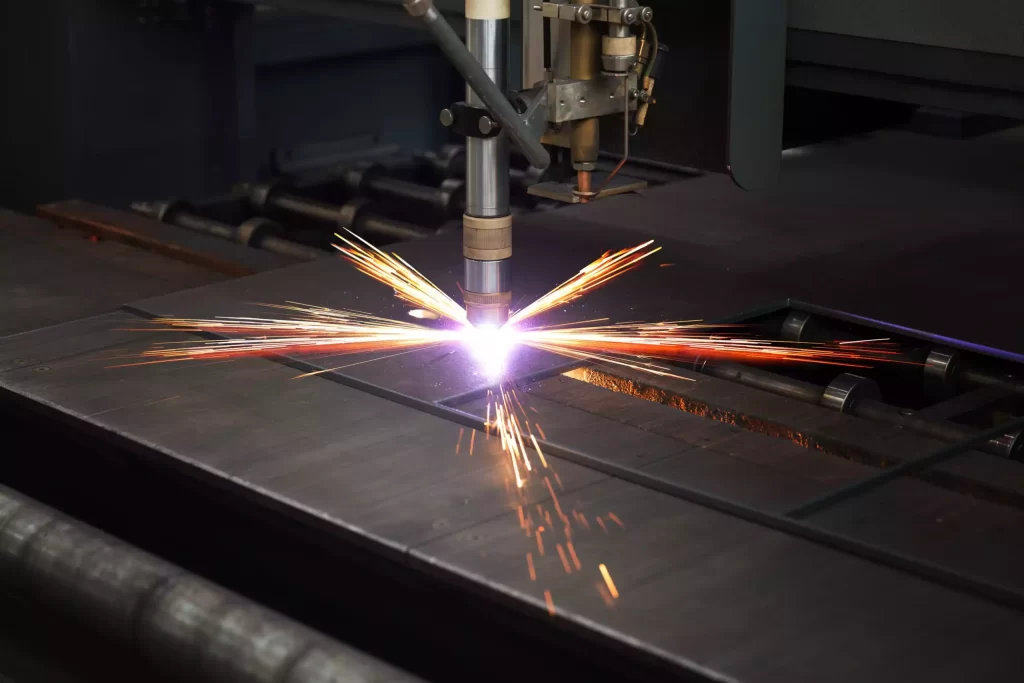
Gallery of Plasma Cut Parts
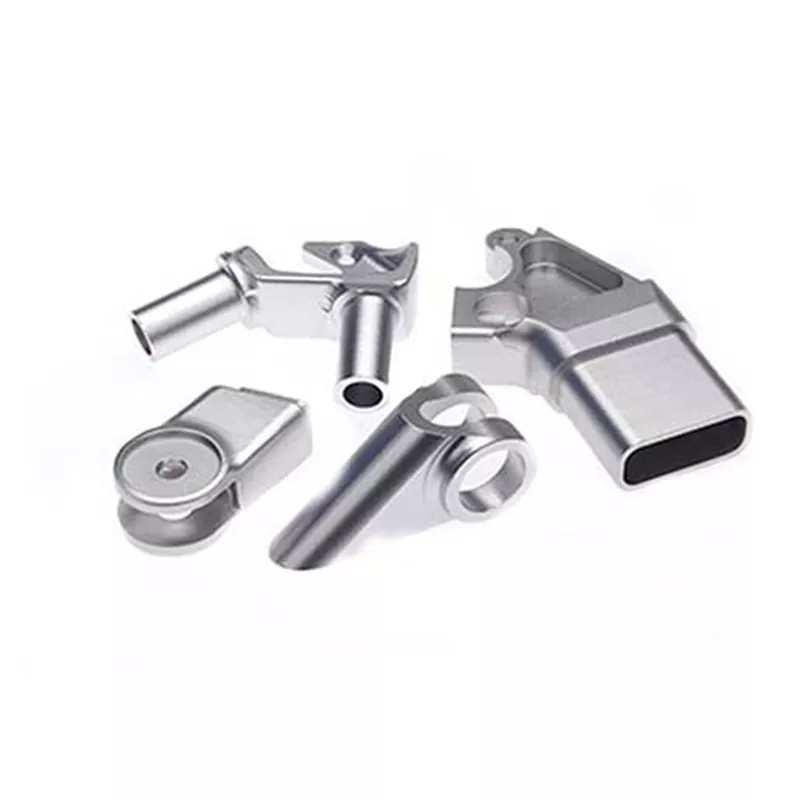
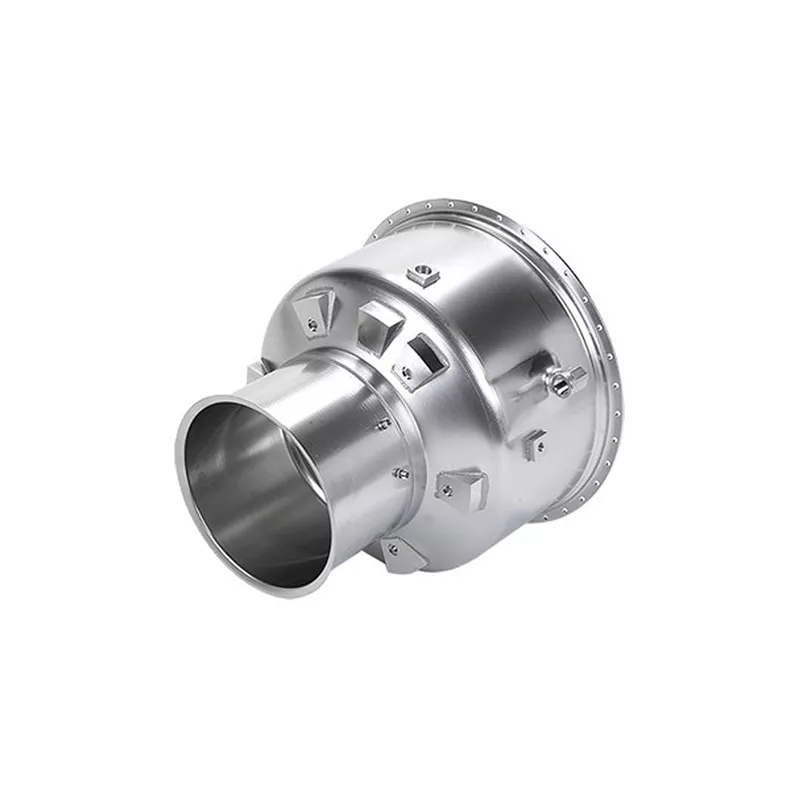
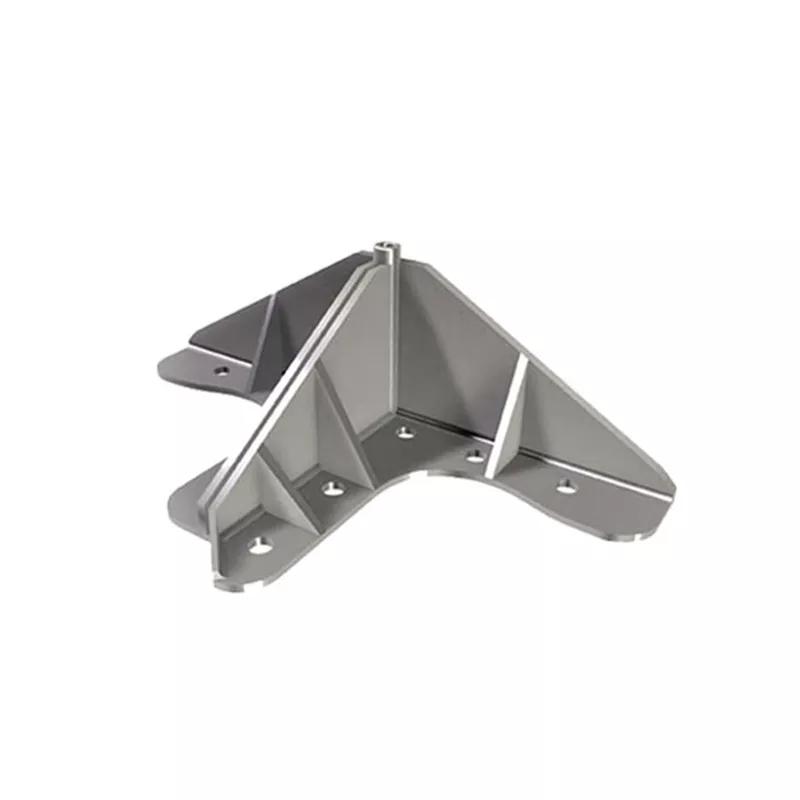
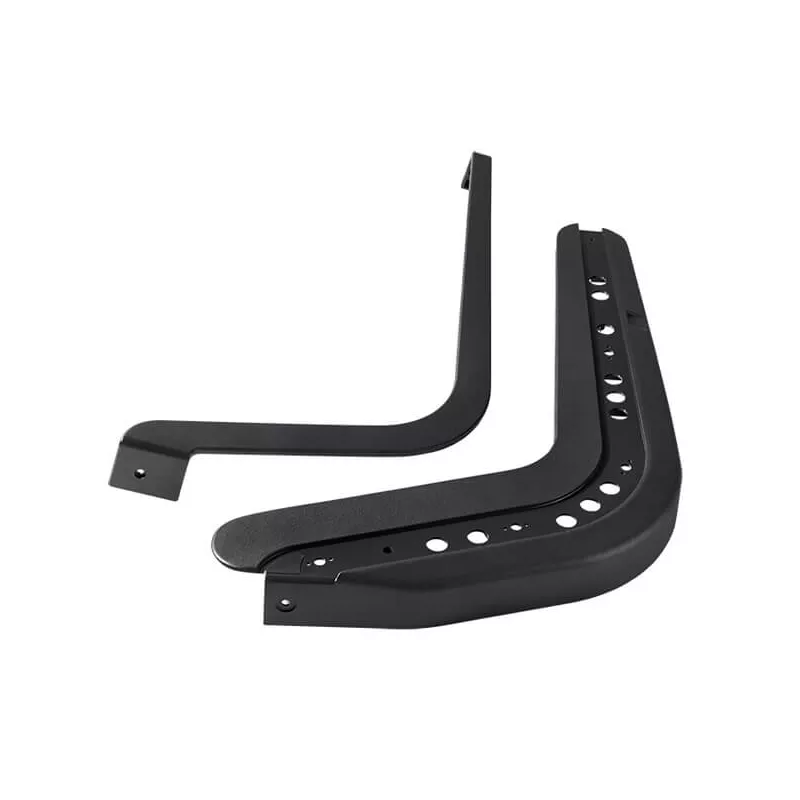
At Fuming, we let our work speak for itself. We produce plasma cut components for diverse industries with exceptional tolerance, high precision, and dimensional stability. Featured below are examples of plasma cutting projects we have completed.
Plasma Cutting General Tolerances
| Description | General Tolerance |
|---|---|
Distance Dimensions | For features of size (length, width, diameter) and location (position, concentricity, symmetry), a tolerance of +0.125 inches / -0.000 inches is typical. Material length and thickness may influence achievable tolerances. |
Thickness Dimension | Thickness tolerances are determined by the material blank. |
Minimum Recommend Part Size | 1.000″ |
Minimum Feature Size | 2X material thickness with a minimum of 1.000″ |
Kerf (slit size) | Approximately 0.50″ |
Edge Condition | Plasma-cut edges typically exhibit vertical striations and a tapered profile. The upper edges may also feature a rounded zone with some top surface splatter. |
Finishing Options for Plasma Cutting
Parts produced through plasma cutting typically exhibit excellent surface finishes. At Fuming, we provide various custom finishing options to enhance the functionality, appearance, and durability of each component.
The machined or deburred finish serves as the standard surface treatment. In this process, unwanted burrs and chips are removed using deburring tools, and sharp edges are chamfered to achieve a smooth surface finish of 3.2 μm.
Bead blasting results in a matte texture, eliminating all traces of machining tool marks. This process is suitable for ABS, Aluminum, Brass, Stainless Steel, and Steel components.
Anodizing is an electrochemical process that adds an aluminum oxide coating to aluminum and its alloys. These coatings are available in various colors and enhance surface strength while protecting against corrosion.
Powder coating involves the electrostatic application of dry powder to the surface, forming a thin layer that delivers excellent resistance to wear, corrosion, and abrasion.
Polishing is a surface finishing process that involves mechanically abrading a metal surface to achieve a glossy appearance. This treatment enhances reflectivity while preserving the dimensional integrity of the components.
Brushing is a finishing technique achieved by applying an abrasive brush to the metal surface, resulting in a unidirectional satin texture. This process is not recommended for highly corrosive materials.
Smooth machining is achieved by precisely controlling parameters such as feed rate and cutting speed during the process. This approach minimizes visible tool marks and reduces the risk of corrosion.
Black oxide finishing minimizes surface reflection and provides light corrosion resistance by depositing a thin layer of magnetite onto the surface.
The higher-precision machines produce delicate machining surfaces by utilizing sharper tools and regulating feed rate and cutting speed. Surface roughness up to Ra 0.8 μm can be maintained with smooth machining.
Provides a random, non-linear surface texture with a shiny, high-gloss appearance. This finish may, however, be unable to produce sharp corners and pockets.
Let's Start A New Project Today
What is Plasma Cutting?
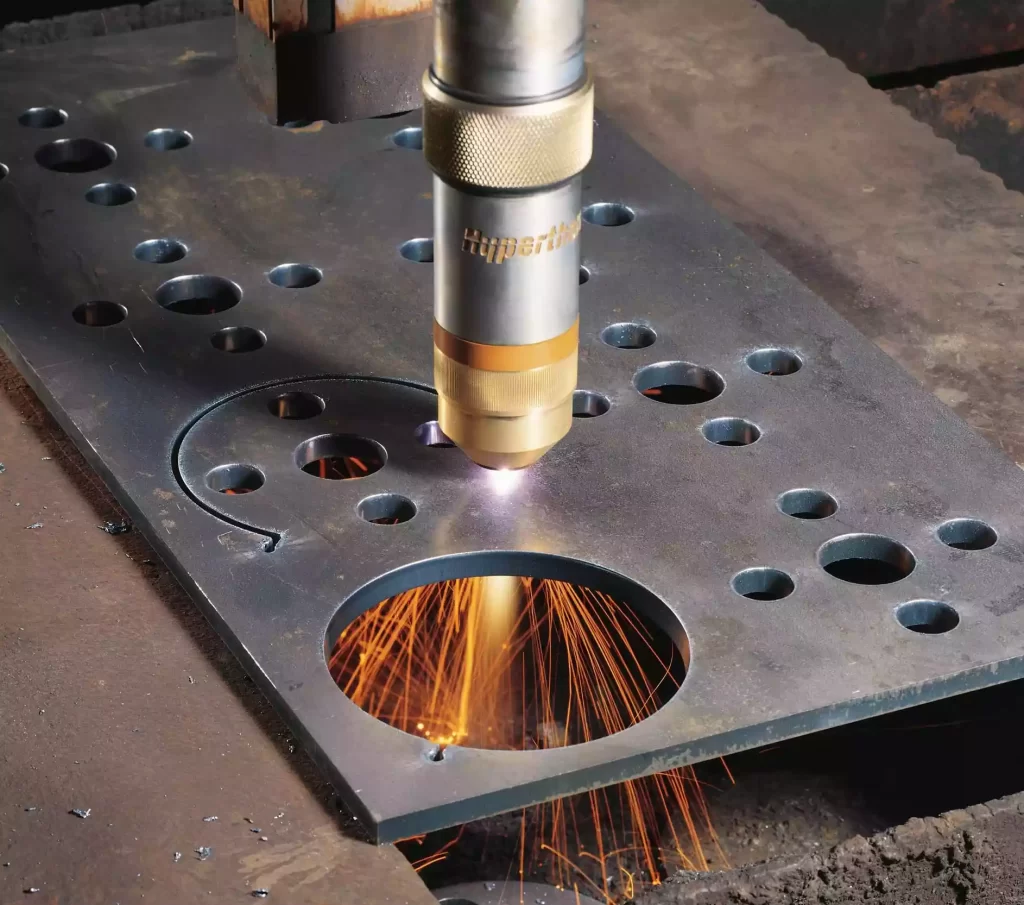
Plasma cutting is a thermal fabrication process used to cut 2D shapes from sheet metal. It employs a high-temperature, high-velocity stream of ionized gas to heat the metal to a molten state, after which the force of the gas blows the melted material away.
This method serves as a low-cost alternative for projects requiring no dedicated tooling. It is particularly economical for cutting thick metal sheets, including stainless steel, carbon steel, and spring steel. Plasma cutting is typically used to produce 2D shapes that do not demand fine detail, such as metal brackets, heavy machinery components, signs, panels, and similar applications.
How Plasma Cutters Work
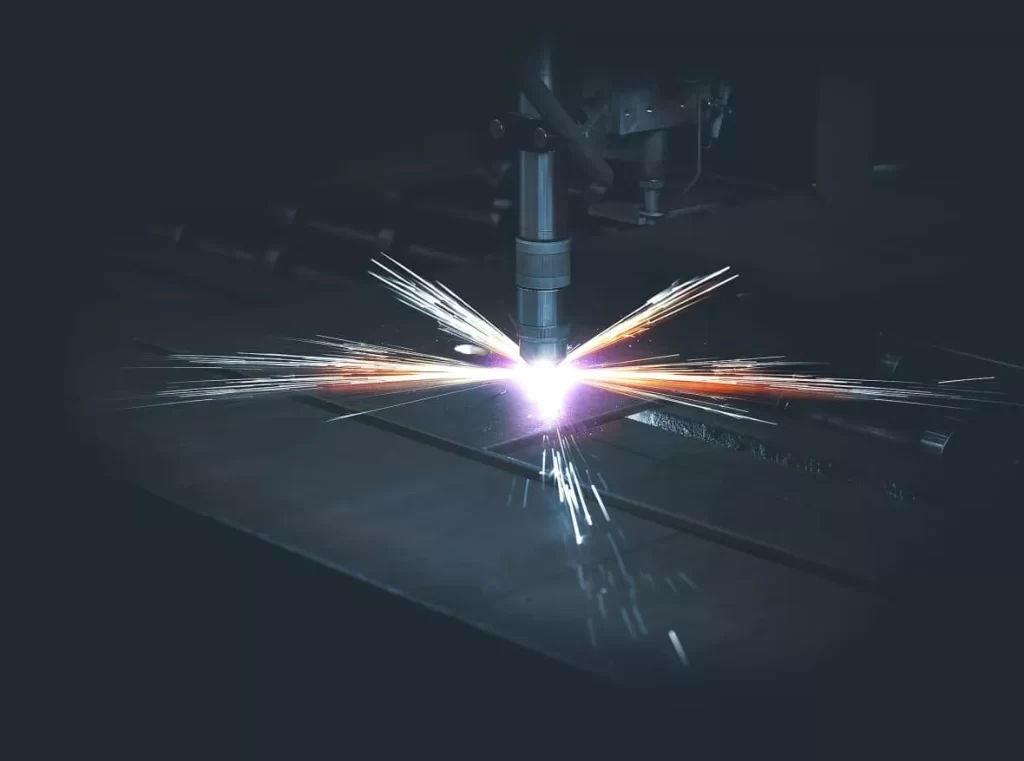
When energy and heat are applied to a gas, the molecules accelerate and collide more intensely, transforming the gas into plasma. Using compressed air or another inert gas, the plasma is propelled from the plasma torch toward the workpiece, where it completes an electrical arc with the conductive material. Similar to electrical discharge machining, plasma cutting systems utilize electricity to melt and sever the workpiece.
Why Use Plasma Cutting for Your Parts?
Plasma cutters serve as versatile sheet metal fabrication tools, although they lack the material versatility of waterjet cutters and the precision of laser cutters. For larger sheet metal components, plasma cutting machines offer greater cost efficiency than CNC laser cutters and can easily handle thicker materials. Additionally, they are straightforward to operate and capable of high-speed cutting while maintaining acceptable precision.
Sheet metal provides an economical approach to fabricating device panels, boxes, and enclosures for diverse applications. Fuming constructs enclosures in various styles, including rackmounts, U-shaped and L-shaped configurations, as well as consoles and consolets.
Plasma Cutting for Industrial Applications
Plasma cutting offers extensive benefits to both machinists and industries, making it a preferred choice for metal fabrication. This process enables high-precision production of prototypes and components, regardless of production volume.